
Apr 30, 2026
Your complete guide to the 2026 Waterloo Open golf tournament. Find dates, registration info, live scoring, schedules, and tips for players and spectators.

You’re probably looking at the Waterloo Open from one of four angles. You want to play it, follow someone who is, plan a trip around it, or study how a long-running public-course tournament still operates at a high level without losing its community feel.
That’s what makes waterloo open golf worth understanding. It isn’t just another regional event on a crowded summer calendar. It’s a working example of how a tournament can stay relevant, attract a serious field, and keep a clear identity across generations.
For players, the challenge is practical. You need to know which division fits, how the week moves, what the cart rules mean for your prep, and how to avoid wasting energy before the first competitive hole. For organizers, the lessons are just as useful. Field management, venue rotation, volunteer operations, and score reporting all matter more when an event gets large.
Your Complete Guide to the 2026 Waterloo Open
The Waterloo Open asks more of everyone involved than a one-course member event. Players have to prepare for a busy tournament environment. Spectators need a plan if they want to follow the action well. Staff and volunteers have to keep traffic, timing, scoring, and course flow under control from early morning starts through the end of play.
That scale is part of the appeal. The event has the feel of a serious competition, but it still runs through public golf and local partnership rather than private-club insulation. If you like tournaments that feel connected to the community around them, this one stands out.
A good approach starts with a few basics:
Know your role early: Competitors, families, and spectators all need different plans for the week. Don’t assume one arrival routine works for everyone.
Expect movement between sites: This is not a park-once event. If you’re following the tournament closely, course assignments matter.
Treat logistics as part of performance: In events this size, the players who conserve time and energy usually make better decisions late in the round.
Watch the scoring flow: For organizers, large-field events expose every weakness in score collection and leaderboard communication.
Practical rule: At Waterloo, your week gets easier when you think like a tournament director, not just a player. Know where you need to be, when you need to move, and what delays are most likely.
The Legacy of Iowa's Premier Golf Tournament
Arrive at a 90-year-old event before sunrise and you can tell within minutes whether the history is real or just marketing. At Waterloo, the answer shows up in the handoffs. Volunteers know where players should report. Staff know how to keep public-course traffic from interfering with competition. Players treat the week like a title worth winning because the event has earned that respect over time.
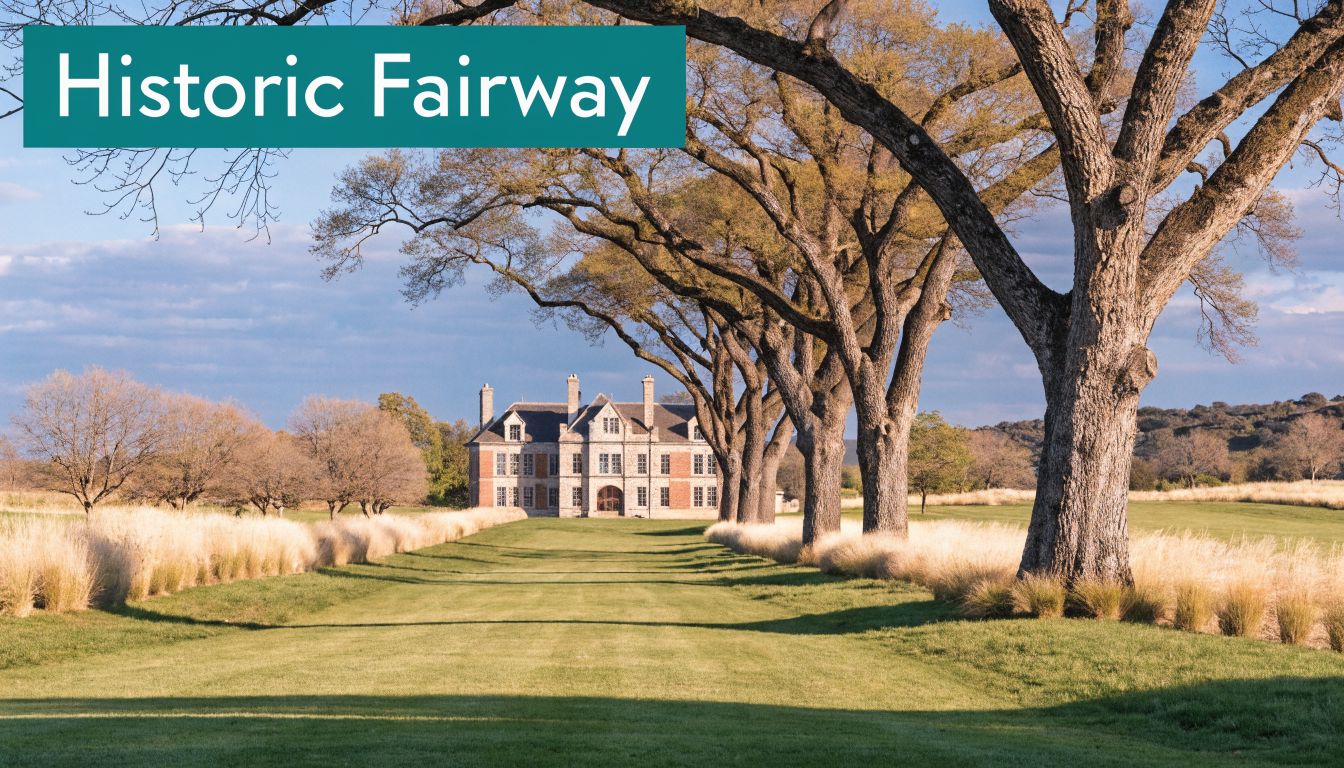
Waterloo’s legacy matters for two reasons. For players and spectators, it explains why the tournament still draws serious attention year after year. For organizers, it offers a practical model for building a large event around public facilities, repeat volunteers, and a format that can stand up under pressure.
The tournament’s staying power did not come from nostalgia alone. It came from a structure that people could repeat. Local organizers built an event that survived changes in players, sponsors, and golf administration because the operating model was sound. That is harder to do than creating one good anniversary edition.
The amateur side gives that history extra weight. Its long connection to recognized state competition helped keep the event relevant to players who care about standing, not just participation. That is one reason Waterloo works as more than a local summer tradition. It has competitive meaning.
For tournament directors, that is the key lesson. Tradition only helps if it still affects behavior on the ground. A respected event gets stronger fields, more volunteer buy-in, and better sponsor confidence. It also creates higher expectations for pace, scoring, pairings, and communication. Once an event reaches that level, old manual systems start showing their age, especially in a multi-course stroke-play setup. Organizers studying how stroke play tournaments are typically structured can use Waterloo as a useful example of where experience carries an event and where better scoring tools would reduce strain on staff.
The volunteer model deserves attention too.
Waterloo has lasted because responsibility is shared across a community rather than parked with one founder or one club. That changes the event’s character. Public-course tournaments can feel more open and more civic than private-club championships, but they also ask more from operations. Parking, spectator flow, player movement, score collection, and last-minute communication all become harder when the setting is accessible to the public.
That trade-off is familiar to anyone who has run a large field event. Accessibility builds identity. It also creates more moving parts. The organizers who succeed are the ones who document procedures, train volunteers well, and avoid relying on memory alone. At Waterloo, the history is impressive. The repeatable labor model may be even more impressive.
If you care about how golf institutions keep that identity over decades, Ecuadane's golf club story is worth reading alongside Waterloo’s example. It comes from a different corner of the game, but the principle is the same. Legacy holds up when people keep doing the work that supports it.
Tournament Format and 2026 Schedule
A player arriving at Waterloo sees three courses, multiple divisions, early tee times, and a week that can get complicated fast. An organizer sees something else. A format built to keep a large public event playable, fair, and on time.
That is the first point to understand about waterloo open golf. The structure is not decorative. It is an operating plan.
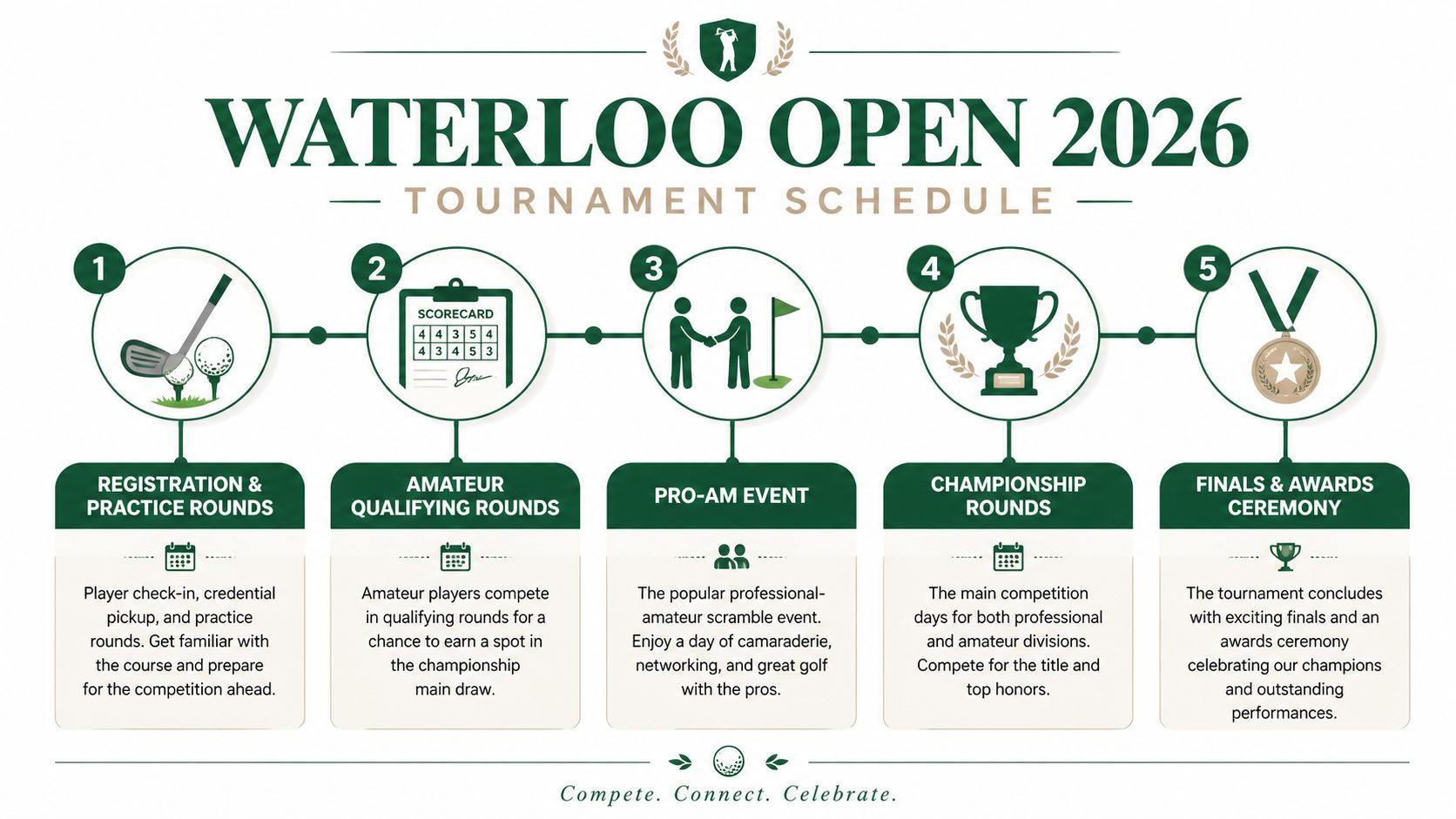
The event separates professionals and amateurs across different sites, which helps control traffic, protect course conditions, and keep staff assignments clearer. Pros center their week at Irv Warren Memorial. Amateurs rotate through Gates Park and South Hills. For players, that affects preparation, travel between rounds, and how much local course knowledge matters. For tournament staff, it reduces the risk of one overloaded property becoming a bottleneck for scoring, parking, and pace of play.
How the division setup works
The professional division and amateur division do not ask the same thing from players or from operations.
A pro preparing for Irv Warren can stay focused on one championship site, one set of green speeds, and one routing. An amateur player has a different assignment. He needs to prepare for movement between venues, changing conditions, and a week that feels less centralized. That split is common in large stroke play tournament formats, but Waterloo shows the trade-off clearly. You gain field capacity and reduce congestion, but you also create more score reporting points and more chances for communication gaps.
From a director's chair, that trade is usually worth making.
Why this format holds up
Three-course events work when each site has defined responsibilities and fast reporting lines. They become messy when staff rely on phone trees, paper cards moving slowly, or volunteers interpreting procedures differently at each property.
Waterloo's model has several practical strengths:
Better field distribution: Players are spread out instead of stacked on one property all day.
Less wear on one course: Competitive rounds are demanding enough without asking a single site to absorb everything.
Clearer site ownership: Volunteer teams can stay attached to one venue and learn its trouble spots.
More manageable pace control: Delays at one course are easier to isolate than delays across one oversized tee sheet.
The weak point is information flow. Multi-course events only run cleanly if tee times, hole-by-hole status, and score collection move quickly. That is where many traditional tournaments still put too much weight on paper handling and manual leaderboard updates. App-free live scoring would take pressure off scoring tents, reduce radio traffic, and give players and spectators a clearer picture of what is happening across all sites.
2026 Waterloo Open tentative schedule of events
The official 2026 dates should be confirmed once tournament materials are published. Until then, the week is best understood by its usual sequence.
Date | Day | Event / Activity | Location |
|---|---|---|---|
To be confirmed | Monday | Registration and practice activity | Tournament venues |
To be confirmed | Tuesday | Practice rounds and player preparation | Tournament venues |
To be confirmed | Wednesday | Pro-Am event and final prep activity | Tournament venues |
To be confirmed | Thursday | Championship rounds begin | Irv Warren, Gates Park, South Hills |
To be confirmed | Friday | Continuing competition rounds | Irv Warren, Gates Park, South Hills |
To be confirmed | Saturday | Final rounds and awards activity | Championship venues |
For players, the practical takeaway is simple. Do not plan the week as if every round starts and ends in the same place. Check your course assignment, allow more drive time than you think you need, and confirm any practice-round details early.
For spectators, the same principle applies. Pick the division or venue you most want to follow before you arrive. Large public events are easier to enjoy when you decide in advance whether you are following the professional lead, a specific amateur group, or the finish at one course.
For organizers, Waterloo remains a useful case study. The format solves real capacity problems, but it also exposes where older tournament systems start to strain. The larger the footprint, the more valuable fast score entry, centralized communications, and live updates become.
How to Register and Qualify for the Open
A lot of Waterloo weeks go sideways before the first tee shot. The player waits a few extra days to enter, assumes the right division is obvious, or treats entry paperwork like an admin task instead of part of competition prep. At an event this established, that approach creates preventable problems for both the field and the staff.
Waterloo asks players to sort out two things early. First, which division fits their status. Second, whether they are prepared to commit before every travel detail is settled. Organizers deal with the same pressure from the other side. In a multi-course event, clean entries matter because every mistake affects pairings, communications, tee sheets, and scoring operations.
Choose the right division first
The event separates players into a Professional Division and an Amateur Division. That sounds straightforward, but the wrong choice can create delays and avoidable back-and-forth with tournament staff.
Use a practical filter:
Professionals: Enter this division if your status and competitive schedule line up with professional play.
Amateurs: Enter here if you want to compete in Waterloo while remaining on the amateur track.
Iowa amateurs chasing recognized events: The amateur field carries added value because it connects to the state competitive calendar.
Players in a gray area: Ask the tournament office before you submit anything. Fixing status issues after entry is harder than clarifying them up front.
If you are an amateur and still need to establish formal index credentials, this guide on how to obtain a USGA handicap is a useful starting point.
Understand the cost before you enter
Entry fees shape the decision differently for each group. Earlier published materials list $1,030.50 for pros, $617.70 for Iowa PGA members, and $150 for amateurs. For professionals, that fee sits inside a larger business calculation that includes travel, practice time, housing, and whether the event fits your summer schedule. For amateurs, the lower fee often creates a different pressure point. More players can justify entering, so available spots can tighten faster.
The practical move is simple. If Waterloo is already on your calendar, enter early and solve the rest of the week next.
I have seen players do the reverse. They wait to finalize lodging, practice partners, or family plans, then discover the field has moved on without them. Tournament directors see the same pattern every year, and it is one reason modern registration tools matter. A system that confirms entries quickly, keeps player status clean, and pushes updates without extra app downloads saves staff time and reduces player error.
Common registration mistakes to avoid
The mistakes here are usually small. They still cost people their preferred week.
Entering the wrong division. Status questions should be settled before payment, not after.
Waiting too long on the amateur side. First-come entry processes reward quick decisions.
Using outdated contact information. If staff cannot reach you, small problems become bigger ones.
Budgeting only for the entry fee. The full cost includes lodging, meals, practice access, and local transportation.
Missing policy details that affect your week. If you expect to use on-course transportation during tournament activities, review basic essential golf cart safety training and then confirm the Waterloo policies that apply to your division.
For players, registration is part of preparation. For organizers, it is the first stress test of the event system. Waterloo is a good example of why large tournaments benefit from cleaner online entry, centralized player records, and live scoring tools that do not force every participant to download another app.
A Player and Spectator Logistics Guide
Tournament week gets messy fast at Waterloo if you treat it like a one-course club event. A player finishes a practice session at one site, assumes tomorrow’s round starts there too, and only checks the pairing sheet that night. A family follows the wrong group because the field is spread across town. Organizers know those mistakes are common in multi-course events, and players feel the cost first.
The practical fix is simple. Build your week around movement, not just golf. Waterloo uses multiple municipal courses, early starts, and different transportation rules by division, so the people who plan their drives, parking, food, and recovery usually play and watch with far less stress.

What players should sort out first
Start with the schedule and your assigned course for each day. Do not assume your practice location, opening round, and later rounds line up in a convenient way. In an event this spread out, one bad assumption can turn a calm morning into a rushed check-in.
Transportation rules matter too. Professionals should prepare for a walking week and practice at tournament pace, not at casual-round pace. Amateurs who have cart access in certain rounds still need to manage energy well because tournament fatigue comes from more than walking. It comes from heat, waiting, concentration, and long days between the first tee and the last scoring check.
A few habits help immediately:
Keep rain gear, snacks, extra gloves, sunscreen, and a phone charger in the same pocket or bag compartment every day.
Leave earlier than your GPS suggests, especially if you have not seen the parking setup at that course.
Pack for two weather changes, not one. Morning and afternoon conditions can feel like different rounds.
Confirm where scoring, rules questions, and player check-in are handled before the round starts.
That last point matters for organizers too. Large events lose time at the edges. Parking confusion, late arrivals, and basic policy questions create staff traffic that better communication tools could prevent. A cleaner player portal or golf tournament scoring software for multi-course events can reduce those bottlenecks without forcing every participant into another app.
Practice-round priorities
A useful practice round should produce decisions. Players do not need to hit every possible shot. They need a plan for where to miss, which holes invite restraint, and where a conservative target still leaves a realistic birdie chance.
I tell players to leave with three things written down. Safe lines off the tee. Bad short-sided misses to avoid. Club choices for awkward wind holes.
That approach is even more important in a tournament split across several courses. Each property asks different questions, and trying to remember them from feel alone is a poor system by midweek.
Spectator and family planning
Spectators enjoy Waterloo more when they stop chasing the entire tournament. Pick one course for the day and a small number of groups or players to follow. You will see more golf and spend less time in transit.
Good shoes matter. Water matters. Patience matters more than either.
Families should also set one meeting point and one update routine before splitting up. In my experience, that solves half the confusion at public-course events. The other half usually comes from underestimating how long it takes to move between holes, parking lots, and clubhouse areas.
Keep clear of tees and greens, stay quiet before shots, and avoid crossing ahead of players who are still deciding. Competitive players notice motion faster than spectators expect, especially on municipal courses where viewing lines can feel closer and less controlled than at private clubs.
If your week includes any cart operation, volunteer driving, or event support around spectator movement, essential golf cart safety training is worth reviewing. Large public events run smoother when everyone around the tournament understands cart etiquette and risk, not just players.
Lodging, meals, and daily rhythm
The best hotel is usually the one that makes the morning easy. A predictable drive beats a nicer room with extra turns, traffic uncertainty, or a late-night atmosphere. Tournament golf rewards boring decisions.
Players should make the same choice with meals. Eat where service is reliable, know what sits well before a round, and keep dinner timing consistent. Spectators and families have more flexibility, but they still get a better week when each day has a home base, one course focus, and fewer cross-town resets.
For organizers, Waterloo is a good case study. Once an event reaches this size and uses several courses, logistics stop being background work. They become part of the competitive experience and the spectator product. Better scheduling visibility, clearer day-of communication, and app-free scoring access would take pressure off staff while making the week easier for everyone on site.
Following Live Scores and Results
Late on a Saturday afternoon, one family is at South Hills trying to figure out whether a player is still in contention, while another spectator has already driven to Irv Warren based on a stale leaderboard. In a tournament spread across multiple sites, score reporting shapes the day almost as much as tee times do.
For players, delayed scoring changes how the round feels. For spectators, it changes where they stand and when they move. For organizers, it creates extra questions at the scoring table, in the shop, and on the phone.
The current practical reality
Regional events of this size often still run on a familiar sequence. Groups finish, cards are checked, staff confirms totals, and results reach the public after that process is complete. That method protects the official competition, but it leaves a gap between what is happening on the course and what players, families, and fans can follow.
On one course, that delay is manageable. Across several courses, it becomes a visibility problem.
Players want a credible sense of leaderboard movement. Spectators want to know whether it is worth staying by one green or heading to another venue. Sponsors and host facilities benefit when the event feels active throughout the day instead of only becoming visible after scores are posted.
Why app-free scoring makes sense here
The Waterloo Open is the kind of event that exposes the trade-off clearly. Official scorecards still need to control the final result. At the same time, a large public tournament works better when people can follow live position changes without waiting for a recap.
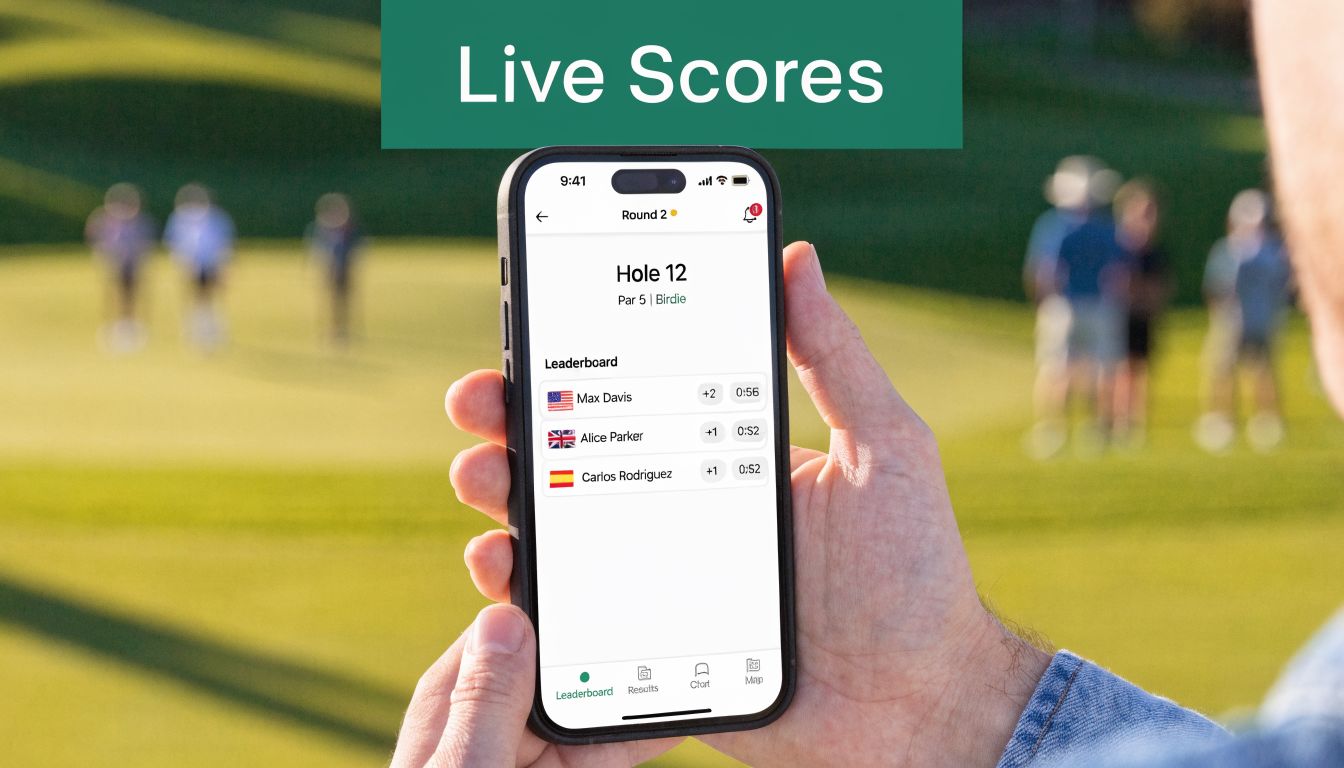
That is why app-free scoring fits this format so well. If a player, walking scorer, or volunteer can open a browser link and post hole-by-hole updates from any phone, usage tends to be higher and training is lighter. Families can check standings without asking staff. Spectators can make smarter viewing decisions. Tournament staff spends less time repeating the same update to five different people.
Organizers looking at Waterloo as a case study should pay attention to that last point. Good scoring systems do not just publish numbers. They reduce interruption. This overview of golf tournament scoring software for multi-course events is a useful reference for what a modern setup should handle.
Operational insight: Live scoring should support the tournament during play, while official card review still decides the final standings.
What organizers should learn from Waterloo
Large, multi-course competitions usually do not struggle with scoring because the golf is complicated. They struggle because responsibility is unclear. One division has updates. Another does not. One site has a volunteer entering scores every three holes. Another waits until the round ends. The public stops trusting the board when the process changes from course to course.
A better model is straightforward:
Assign score-entry responsibility before the first round
Use one public leaderboard for every division and site
Set a simple correction process for wrong hole scores
Train staff and volunteers on the difference between live updates and official scoring
Get those four pieces right, and the event feels more organized immediately. Players get cleaner information. Spectators can follow the tournament as it happens. Staff gets fewer avoidable questions, which matters in a week as busy and spread out as the Waterloo Open.
Past Champions and Tournament Records
Ask any player on the range what gives the Waterloo Open its weight, and the answer usually comes back fast. The names on the trophy matter. A title means more when the event keeps attracting players who know how to close under tournament pressure.
Recent professional champions, as noted earlier, include Cody Banach in 2025, Trevor Ullestad in 2024, and Evan Brown in 2023. For players, that gives a current reference point for the level required. For organizers, it shows why recordkeeping cannot be treated as an afterthought in a week this spread out. A tournament with multiple courses and divisions needs one clean historical record, not a patchwork of results pages, social posts, and clubhouse printouts.
What kind of player wins here
Waterloo usually rewards discipline before flair.
That is not a romantic answer, but it is the honest one. On public-course setups and in large regional fields, champions tend to separate themselves by controlling mistakes, staying patient through uneven pace, and keeping their decision-making steady late in the round. Players who force birdies too early often spend the rest of the day recovering from one bad swing or one poor number.
Three traits show up again and again:
Ball control over hero shots: Keep the ball in playable spots and avoid the big score.
Emotional control: A bogey does less damage than the two holes that can follow it if a player starts chasing.
Endurance: Multi-day events test focus, not just technique.
Spectators can see that pattern too. The eventual winner rarely looks frantic. The round has shape, but not much drama for drama's sake.
Why records matter beyond nostalgia
Players look at past champions because they want a benchmark. That is useful, up to a point. The better use of tournament history is to understand what the event consistently asks from the field.
For competitors, the lesson is practical. Prepare for a tournament that rewards clean cards, patient course management, and steady routines over several days. For tournament staff, the lesson is just as practical. If you want history to carry real authority, results have to be easy to confirm and easy to preserve. That is where older events often show their age. They may have decades of credibility, but the public record is still harder to follow than it should be.
A modern tournament setup should make past champions, scoring archives, and year-by-year results easy to publish without adding more work for volunteers. Waterloo already has the competitive history. The operational opportunity is presenting that history with the same consistency the players are asked to show on the course.
Frequently Asked Questions about the Waterloo Open
Is the Waterloo Open only for professionals
No. The event has both professional and amateur divisions, and the amateur side has standing within Iowa’s official amateur ranking structure, as noted earlier.
How big does the tournament feel in person
It feels busy in the best sense. The event draws a substantial field across multiple public courses, so there’s real tournament traffic, visible movement, and a stronger sense of occasion than a typical local event.
Where should spectators go first
Start by deciding which division or player you want to follow most closely. A multi-course event is easier to enjoy when you narrow your focus instead of trying to cover every site.
Are carts handled the same way for everyone
No. The published event rules distinguish between divisions. Pros are limited to push or pull carts, while amateurs may use motorized carts in initial rounds, as covered earlier from the tournament operations material.
What about caddies, cuts, and purse breakdowns
Those details should be confirmed directly through official tournament communications for the specific year you’re attending or entering. They can change, and it’s better to rely on the event’s current player information than on assumptions from prior editions.
Who runs the tournament
The Waterloo Open was founded by the Cedar Valley Jaycees and continues to operate through volunteer leadership with local support, which is a big part of why the event still has its distinctive character.
What’s the smartest way to prepare for the week
Keep it simple. Confirm your division details early, understand your course assignment, build a conservative travel plan, and treat logistics as part of performance.
If you run golf events and want a cleaner way to handle registrations, live leaderboards, score entry, pairings, and back-office tournament work, Live Tourney is worth a look. It’s built for courses, leagues, and tournament directors who want modern, app-free event management without the usual software friction.





