
Apr 26, 2026
Your complete TPC Sawgrass location map. Get printable course layouts, GPS, parking diagrams, and key logistical info for running a flawless golf tournament.
You open six browser tabs before breakfast. One has a parking document. Another has course notes. A third has driving directions. Then important questions hit your inbox: where to put registration so guests do not back up at arrival, where buses can unload without clogging player flow, and whether a contest location will create a bottleneck instead of a highlight.
That fragmentation is where organizers lose time and create avoidable day-of problems.
TPC Sawgrass sets a higher operational bar than a typical corporate or charity golf venue because guests arrive with major-event expectations. The address is 110 Championship Way, Ponte Vedra Beach, Florida 32082, and the property has long been associated with tournament hosting at a national level. For an organizer, that matters less as trivia and more as a planning constraint. People expect clear signage, fast check-in, orderly movement, and a finish area that feels intentional.
A standard spectator-style map will not solve those problems. Organizers need one working reference that combines arrival points, check-in location, staff staging, contest placement, scoring flow, and departure routes. Without that, teams make isolated decisions that look reasonable on paper and create friction on site.
The practical issue is simple. Public materials usually show pieces of the property, not the operating plan for your event. That gap leads to the mistakes I see most often at high-profile venues: registration set too far from first movement, volunteers posted without a shared site plan, sponsor activations placed where carts and foot traffic cross, and leaderboard locations chosen for visibility instead of finish-line convenience.
Sawgrass gives you plenty to work with once you organize the property as one event system. Arrival, bag drop, parking, clubhouse access, on-course movement, scoring, and awards all connect. Get that map right early, and the rest of the day runs with fewer radios, fewer redirects, and fewer last-minute fixes.
Your Essential Guide to Navigating TPC Sawgrass
TPC Sawgrass isn’t just a famous golf address. It’s an operating environment with real constraints. If you treat it like a normal shotgun event site, you’ll spend the day solving avoidable problems. If you treat it like a major-event venue scaled down for your group, you’ll make better decisions from the start.
The first thing to respect is the size and identity of the property. It was the inaugural Tournament Players Club course, and that matters because the site was built with tournament hosting in mind, not only member play or resort play. The Stadium Course and Valley Course sit within a broader venue footprint that includes the clubhouse and event infrastructure, so movement matters as much as course setup.
Why standard maps fall short
Most organizers get tripped up because they use different documents for different jobs. One map helps with parking. Another helps with yardage. Another helps with guest directions. None of them function as a single field guide for staff.
That creates three common failures:
Arrival confusion: Guests reach the property but don’t know whether to continue to bag drop, self-park, or wait for instructions.
Staff drift: Volunteers and vendors spread out because nobody is working from the same physical plan.
Scoring bottlenecks: Organizers place leaderboard and awards functions where they’re visible, but not where people naturally finish and gather.
Practical rule: At Sawgrass, every event decision should tie back to one master movement plan. If a location is convenient for staff but awkward for guests, it usually becomes a problem by midday.
What a good organizer map should do
A useful tpc sawgrass location map for event work should combine venue geography with event intent. In other words, it has to show where things are and why people need to go there.
Use your map to define:
Map layer | What it should answer |
|---|---|
Arrival layer | Where cars, buses, and VIP drop-offs go first |
Guest layer | How players move from arrival to check-in to carts |
Operations layer | Where staff, vendors, signage, and supplies stage |
Course layer | Where contests, hospitality points, and photo spots fit |
Finish layer | Where players naturally regroup for scoring and awards |
That shift matters. A spectator map helps someone find a hole. An organizer map helps a team run a day.
The Unified TPC Sawgrass Location Map
At 6:45 a.m., the first shuttle is unloading, a sponsor host is asking where to stage welcome gifts, and two volunteers are pointing players in different directions. That problem starts with the map. At TPC Sawgrass, the version that matters for organizers is not a public-facing course diagram. It is one working map that combines guest flow, staff positions, and finish-area decision points on a single sheet.
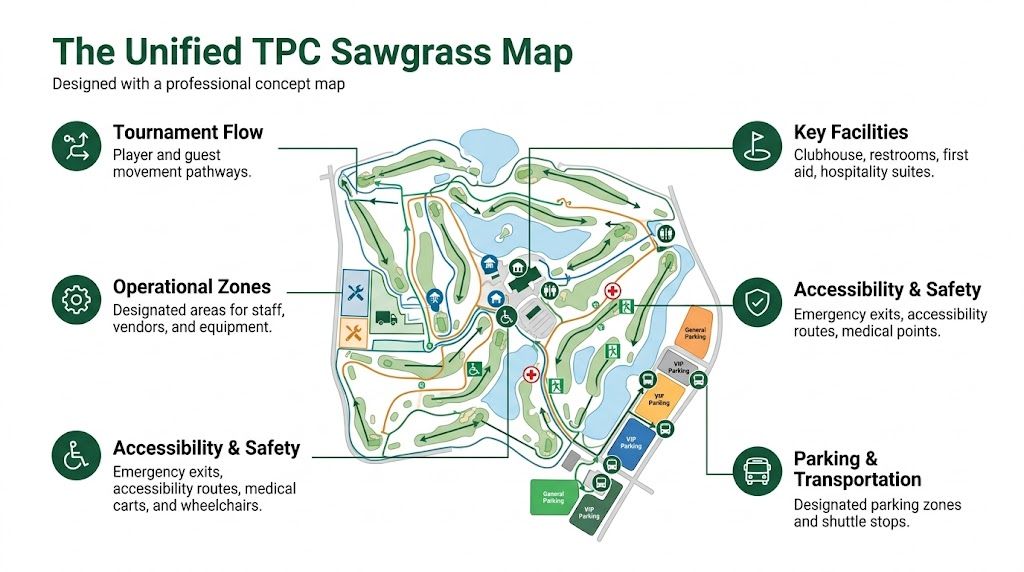
Build the map in layers
Start with the fixed property layout. Use the venue address, the clubhouse area, the practice facilities, the Stadium Course, the Valley Course, and the internal road network as your base. Then add the operational layer your guests will feel.
For tournament work, I build the map in this order:
Access layer for guest entry, shuttle approach, vendor arrival, and VIP drop-off
Check-in layer for registration, breakfast, gifting, and restroom access before tee-off
Player movement layer for bag drop, cart staging, starter location, and the first high-traffic crossings
Operations layer for volunteer captains, signage stock, water refill points, radios, and medical response access
Finish layer for score collection, leaderboard placement, photography, and awards setup
This format saves time because every team is reading the same field document. Registration sees where carts back up. Cart staff sees where breakfast traffic will spill. Sponsors see whether their activation is on the way to something useful or stranded off to the side.
A solid organizer map also supports the broader run-of-show. If you are building the full event plan at the same time, it should match your golf tournament planning guide, not sit apart from it.
What belongs on the working version
The public course map is only the starting point. The working version should answer the questions that come over the radio every year.
Mark these items clearly:
Primary entry point and one backup approach for late rerouting
Registration position relative to parking, bag drop, and breakfast
Cart lineup and release path so players are not crossing staff vehicles or arriving groups
Practice access for guests who head to the range or putting green before checking in
Restrooms and water near the highest early-morning dwell areas
Leaderboard sightline where groups finishing can see results without blocking scoring
Awards and photo location close enough to the finish flow to hold the group together
ADA route and emergency access lane kept clear all day
Large-group transportation needs its own notation. If coaches or minibuses are in the plan, mark the turn-in point, unload zone, holding area, and the path those vehicles use to exit without crossing guest staging. Generic bus instructions create delays fast, especially when drivers are unfamiliar with golf-club circulation patterns. These expert bus hire tips are a good reference for setting expectations with group transport vendors before event day.
Use the map to prevent predictable bottlenecks
TPC Sawgrass can handle complex movement, but private events run into trouble when organizers place functions by visibility instead of sequence. A leaderboard beside a scenic backdrop sounds right until finishing groups stop there, carts stack up behind them, and the awards host cannot hear scoring updates.
Place each function where the next action is obvious. Check-in should lead naturally to breakfast or carts. The starter should be easy to find from both. The finish area should pull players toward scoring first, then photos, then awards. If guests need verbal correction at every turn, the map is still incomplete.
My rule is simple. A first-time volunteer should be able to answer, "Where do I go next?" without touching a radio. If your map does that, the day runs cleaner for players, sponsors, and staff.
Arrival and Parking Logistics for Tournament Groups
Most event days are won or lost before the first tee shot. If arrival feels disorganized, players assume the rest of the day will be the same. At Sawgrass, that risk is real because the public information available to organizers often leans toward tournament-week parking, not private group flow.
Existing TPC Sawgrass maps often focus on tournament-week parking and miss real-time guidance for organizers. Reports include 20 to 30 minute delays tied to reliance on single main entrances, and that problem is made worse by a 15% increase in local traffic congestion (THE PLAYERS parking map context).
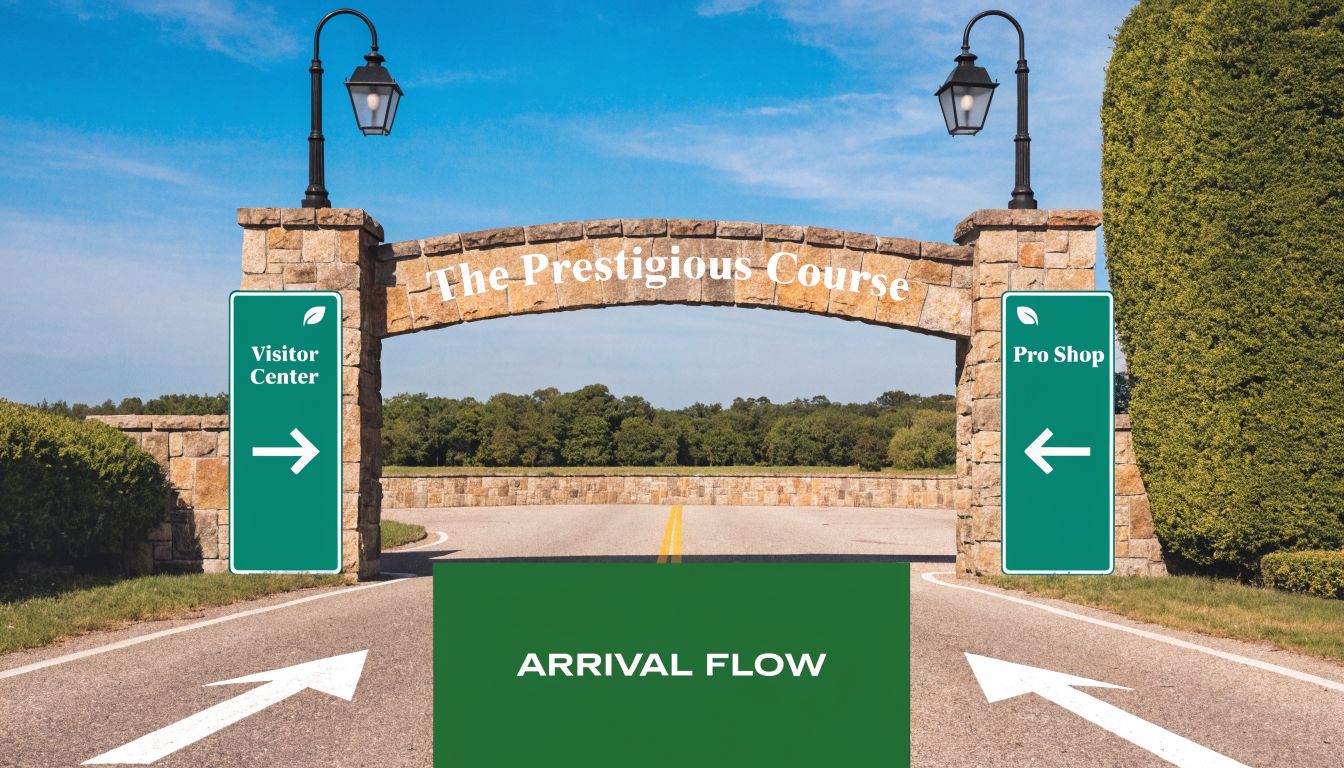
Run arrival like a sequence, not an address
Don’t send players a venue address only. Send an arrival sequence. The address gets them near the property. The sequence gets them to the right place without staff cleanup.
A useful pre-event arrival message should include:
Expected arrival window: Tell guests when to enter the area, not just when registration opens.
Primary approach route: Pick one clean approach for most guests so vehicles aren’t improvising.
Bag-drop instruction: State whether players should unload first or park first.
Driver note for buses and vans: Explain where larger vehicles should wait, turn, and unload.
Late-arrival fallback: Give a direct phone number or staffed checkpoint for anyone who misses the main flow.
For larger groups arriving together, it helps to review practical expert bus hire tips so your transportation vendor understands passenger timing, loading expectations, and on-site coordination before they pull onto golf property.
The trade-offs that actually matter
If you push everyone toward one simple entrance, communication gets easier. The downside is stacking too many arrivals into one lane. If you split arrivals too aggressively, vehicles spread out and guests start calling with questions.
The better approach is controlled separation:
Group type | Best operating choice | Risk if handled poorly |
|---|---|---|
Individual players | One clearly communicated arrival route | Drivers improvise and back up the entrance |
VIPs and sponsors | Separate drop-off window and host contact | They end up in the standard player queue |
Buses and large shuttles | Staggered arrival and defined unload point | Oversized vehicles block guest flow |
Vendors and volunteers | Earlier check-in with separate staging note | Setup traffic mixes with player arrivals |
If a bus unload area isn’t predetermined, the bus driver will choose for you. That choice is usually based on turning radius, not guest experience.
A broad planning checklist helps before you ever get to routing. This golf tournament planning guide is a solid reference for tightening timelines, staffing, and player communications around the golf itself.
What works on-site
For private events, the smoothest arrivals usually come from a short chain of custody. Greeter first. Bag-drop second. Parking direction third. Registration last. That order keeps clubs moving before people stop to socialize.
What doesn’t work is putting registration at the first obvious space and assuming everyone else will figure out the rest. At Sawgrass, the property deserves more intentional flow than that.
A Strategic View of the Stadium Course Layout
Tournament directors should read the Stadium Course as an operating plan, not just a scorecard. The routing creates natural viewing bowls, strong sponsor sightlines, and a few famous pressure points, but those same features can also create backups if contests are placed carelessly.
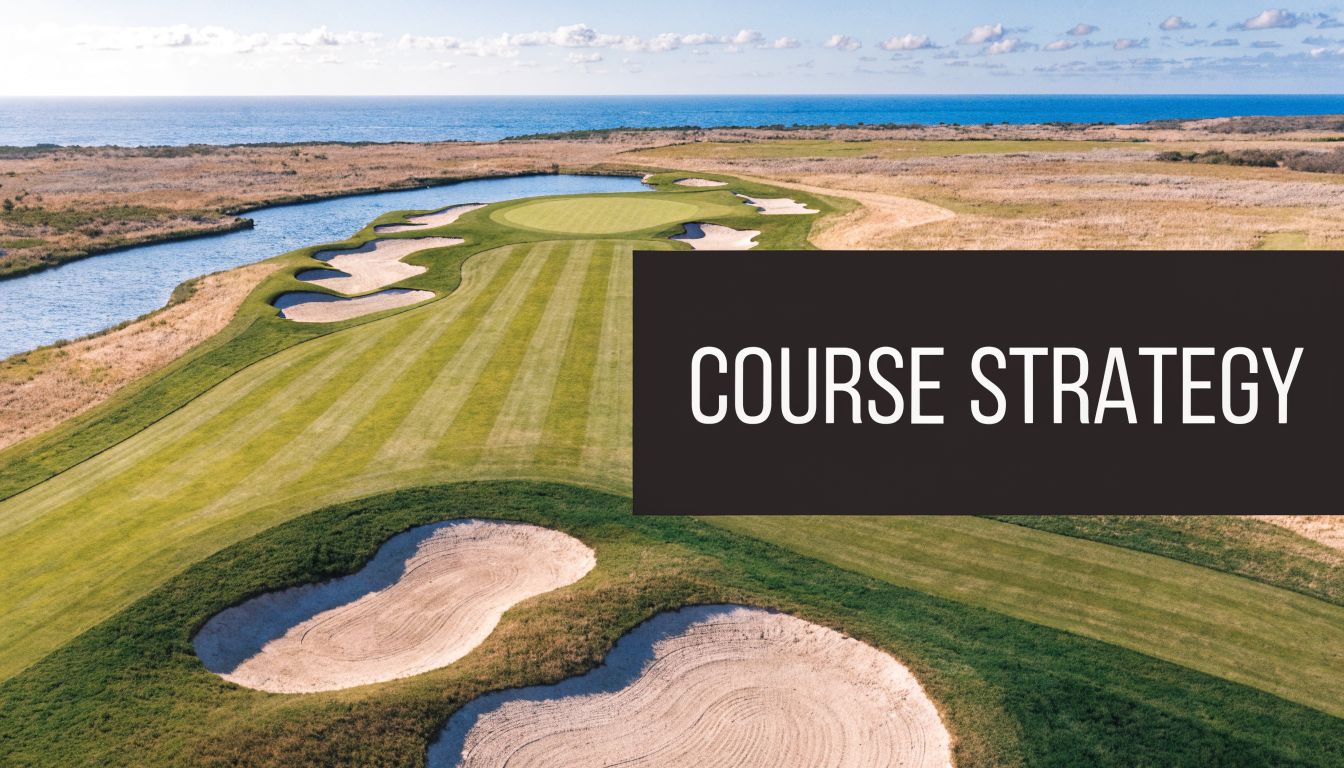
The practical question is simple. Which holes create a memorable moment without interfering with pace, volunteer access, or sponsor visibility?
Start by separating holes into operational roles. Some holes are good for pure play and should stay clean. Some can carry a contest with minimal disruption. A smaller group can support premium activity because they offer room for signage, safe volunteer positioning, and enough dwell time to justify a sponsor presence.
I usually sort the course this way:
Contest-friendly holes: Good for closest-to-the-pin, long drive, or straightest drive because setup is obvious and scoring support is manageable.
Photo and sponsor holes: Strong backdrop, controlled player flow, and enough space nearby for a host, signage, and quick interaction.
High-risk holes: Memorable, but better left alone unless the group size is small and the rules are tight.
Recovery holes: Useful if weather, pace, or a last-minute course adjustment forces you to relocate an activation.
That filter saves time because it keeps the conversation grounded in execution. A great contest hole is not always the most famous one. It is the one your staff can run cleanly for five hours.
Use the routing to reduce interference
The Stadium Course gives organizers variety across both nines. That matters less for yardage trivia and more for spacing decisions. A longer hole can absorb a long-drive contest without forcing extra explanation. A shorter par 4 or reachable par 5 can attract lingering, which helps a sponsor but can hurt pace if the activation sits too close to the landing area or cart traffic.
The trade-off is always the same. Visibility improves sponsor value. Visibility also increases the chance that players stop, watch, and bunch up.
If your group includes first-time Sawgrass players, keep side games easy to read from the cart path. If your field is more experienced and tightly managed, you can place one premium activation in a higher-interest location and trust the group to keep moving. That broader event design logic is covered well in this guide on how to run a golf tournament.
The 17th works best as a selective play, not an automatic one
Hole 17 draws attention for obvious reasons, and organizers love the idea of placing a closest-to-the-pin prize there. Sometimes that works. Sometimes it hijacks the day.
The hole creates drama on its own. Players take extra photos. Guests want to watch. Sponsors want their branding attached to the moment. All of that is useful if your outing is built around spectacle and your tee sheet has enough spacing to absorb delays.
For larger corporate groups, I am usually more cautious. The 17th is better as a featured experience than a high-volume contest unless you have clear contest rules, a dedicated spotter, and firm pace control from golf operations. Otherwise, players linger, volunteers get crowded, and the hole becomes a traffic magnet instead of a highlight.
A safer approach is to reserve the 17th for prestige and place your most heavily used contest on a hole that gives staff more room to work.
A hole should pass four tests before you assign anything to it
Use this checklist before locking in a contest, challenge station, or sponsor setup:
Staff access: Can a volunteer get in and out without crossing active player lines?
Player clarity: Will the format make sense immediately from a cart or tee box?
Pace impact: Does the activity fit the normal rhythm of the hole?
Fallback value: If weather or timing changes, can you move it without rewriting the whole day?
A well-chosen map saves organizers trouble. The best map for Sawgrass is not the one with the most pins and labels. It is the one that shows where your event can operate cleanly under real tournament conditions.
Mapping Your Event Day Operations
Once players are on property, the operational map has one job. Keep everyone moving without making them think too hard.
That means your event footprint needs to function as a chain. Arrival leads to bag drop. Bag drop leads to registration. Registration leads to carts or staging. The round ends in a place that naturally feeds scoring, food, and awards. If one step sits off to the side, you’ll spend the day redirecting people.
Official course maps often lack detailed detail around venue accessibility, ADA-compliant paths, and operating points such as bag tag printing or leaderboard setup. That gap matters more now because NGF data cited in the venue context shows 25% growth in inclusive golf events requiring tighter logistical planning (yardage book context on mapping gaps and inclusive event demand).
Set the day up around touchpoints
For event execution, I like to think in touchpoints instead of departments. Guests don’t care whether a task belongs to operations, golf staff, or volunteers. They care whether the next step is obvious.
Use these touchpoints as your planning grid:
Check-in point: Place it where arriving guests naturally stop, not where you have leftover space.
Bag and cart handoff: Keep this close enough to registration that players don’t double back.
Volunteer base: Give staff one visible home location for radios, spare materials, and problem solving.
Scoring and results zone: Put it where players finish, linger, and talk.
Accessibility route: Confirm the path itself, not just the destination, works for all guests.
Leaderboards and staff movement
The live leaderboard is one of the few event elements that can create energy without slowing play, but placement matters. If you put it in a corridor that players only pass once, it becomes decorative. If you put it where post-round groups gather, it becomes part of the event experience.
Many organizers often overcomplicate things. They focus on visibility and forget dwell time.
A few practical standards help:
Operational element | Best placement logic |
|---|---|
Registration | Near first major guest convergence point |
Bag tags and printed materials | At or immediately behind check-in |
Staff supplies | Hidden from guest view but quickly reachable |
Leaderboard display | Near food, scoring, or awards gathering area |
Volunteer relief point | Close to central operations, not on a hole |
The smoothest tournament days come from boring operations. If guests barely notice your logistics, you probably got them right.
If you want a broader operating framework for staffing, formats, and round management, this guide on how to run a golf tournament is useful background reading.
What not to improvise
Three items should never be left vague at Sawgrass:
Accessibility routing
Volunteer reporting location
Where scoring closes and winners are finalized
Those are the items people ask about when the day gets busy. If your map answers them before anyone asks, the rest of the operation gets calmer.
Planning the Full Player Experience Beyond the Course
A tournament at Sawgrass starts feeling off long before anyone complains. It happens when sponsors are looking for the reception space, spouses are unsure where to wait, and finished groups drift around the clubhouse area asking where the awards begin. Those problems are preventable if the map covers the full day, not just the golf.
Sawgrass is strong for corporate and charity events because the property supports more than play. It gives organizers room to stage arrival, hosting, scoring, meals, and post-round gathering without forcing guests to guess. Generic spectator maps do not solve that. An organizer’s map should show where people check in, where they regroup after the round, where non-players can comfortably spend time, and how they get from one touchpoint to the next.
Hospitality needs to be plotted with the same care as contests and scoring.
Guests usually remember four things. Whether the morning felt organized. Whether there was a clear place to gather before tee-off. Whether the finish led naturally into food, drinks, or awards. Whether non-golfers could follow the day without learning course shorthand. If any of those are vague, the event feels harder than it should.
Build that part of the day into your working map and staff brief:
Lodging and transport coordination: Keep key guests on a predictable route so late arrivals do not disrupt check-in.
Single pre-round meetup point: Give every player, sponsor, and guest one default location before carts and announcements.
Post-round handoff: Mark the path from scoring to the bar, dining room, or awards space so groups do not stall near the finish.
Non-player wayfinding: Use clubhouse, practice-area, and hospitality landmarks instead of hole-by-hole language.
Host coverage: Assign staff where guests pause and ask questions, not where the schedule says they should be.
Here, organizers either save time or create extra radio traffic all afternoon.
I have found that the cleanest Sawgrass events treat the player experience as a sequence of handoffs. Arrival to check-in. Check-in to staging. Round completion to scoring. Scoring to reception. Reception to awards. Once those handoffs are marked on one operating map, staff make fewer judgment calls and guests move with less hesitation.
If you want one system to support those transitions, scoring updates, pairings, and final presentation, this guide to golf tournament management software for organizers is a practical place to compare options.
Conclusion Execute a World-Class Tournament
Running an event at TPC Sawgrass is a high-standard assignment. The venue carries instant credibility, but it also exposes weak planning fast. A scattered set of PDFs and text threads won’t carry the day.
A usable tpc sawgrass location map should function like an operating brief. It should show arrival flow, parking logic, guest movement, contest placement, staff zones, accessibility routing, and finish-area setup in one clean view. Once that map exists, decisions get easier. Staff know where to stand. Players know where to go. Sponsors get visibility without disrupting golf. Volunteers stop guessing.
That’s how Sawgrass should be managed. Not as a mystery, and not as a routine course either.
The venue gives organizers a rare chance to deliver something polished and memorable. When the logistics are tight, the property does a lot of the heavy lifting for you. What players remember is that the day felt smooth, professional, and worthy of the setting.
Frequently Asked Questions for Organizers
Should I use the 17th for closest to the pin
Use it only if your group wants a signature moment and you can staff it properly. The hole is famous for a reason, but it introduces more volatility than a routine contest hole.
What’s the biggest map mistake organizers make
They use a spectator map as an operations map. Those are different tools.
Where should I place the main leaderboard
Put it near the area where players naturally gather after the round, not in a traffic corridor they pass through quickly.
How early should staff work from the final map
Early enough that every lead can walk the day in their head before anyone arrives.
If you want the scoring and administration side to match the professionalism of the venue, Live Tourney gives organizers an app-free way to run registrations, pairings, score entry, live leaderboards, side games, and payouts without the usual software friction.





