May 6, 2026
tpc sawgrass golf course layout, tpc sawgrass, pete dye design, stadium course, golf tournament management
Uncover the TPC Sawgrass golf course layout. Dive into a hole-by-hole breakdown, strategic insights, and pro tips for mastering this legendary course.

The first thing you notice at TPC Sawgrass isn't the water. It's the doubt. Standing on an opening tee shot here, players and tournament staff both feel the same pressure: this course asks for decisions before it asks for execution.
The Unforgiving Beauty of TPC Sawgrass
By the time a group reaches the middle of a round at Sawgrass, the scorecard usually stops telling the full story. What matters more is how many decisions the course has already forced. A tee shot that finishes a few yards on the wrong side of a fairway can turn a routine approach into a defensive play, and that is where this property separates itself from plenty of championship venues.
The tpc sawgrass golf course layout matters because it governs choices, not just yardage. Pete Dye built the Stadium Course to reward placement, angle, and discipline, and later work by Dye and Steve Wenzloff preserved that identity. The corridors are tight enough to ask for restraint, especially once landing areas begin to narrow, and the course's hardest par fours prove the point. Sawgrass does not need extreme length to create mistakes. It creates them by asking players to hit from the correct side of the hole and by punishing indecision, as shown in this TPC Sawgrass course breakdown.
That distinction matters for tournament operations as much as it does for players.
At a more forgiving venue, a missed fairway often leads to a predictable recovery and a steady pace of play. Sawgrass behaves differently. Players confer more often over club choice, back off more frequently when the wind shifts, and take longer to commit when water and angled greens sit in full view. For a tournament director, that changes staffing, timing, and scoring expectations. It is one reason event teams benefit from using software such as Live Tourney to monitor bottlenecks, adjust checkpoint attention, and stay ahead of the stretches where hesitation can slow an entire wave.
The common mistake is treating Sawgrass like a polished resort course that happens to host a major event. Operationally, it behaves more like a pressure test. The layout creates hesitation, and hesitation affects pace, scoring swings, and how quickly a leaderboard can bunch or break apart.
That blend of architecture and atmosphere is part of why course study should go beyond aerials and scorecards. A venue's identity changes how players respond to it and how organizers should run competition on it. A different but useful example appears in Undisposable at Long Reef Golf Club, where the setting shapes strategy in a way that is less punitive but still highly specific.
A few truths hold up here every year:
Restraint off the tee usually pays: Players who choose position over distance give themselves far more playable angles.
Small misses become expensive: Sawgrass punishes shots that are only slightly offline because the next shot often loses its preferred route.
Recovery golf has limits: Chasing one mistake with an aggressive reply is how rounds get away quickly.
Tournament setup needs precision: Tee placements, hole locations, and pace monitoring all matter more on a course that naturally slows decision-making.
That is Sawgrass at its best. Beautiful to look at, exacting to manage, and relentless in the way it turns design into consequence.
Understanding the Stadium Course Design Philosophy
Before Sawgrass became iconic, it was a design argument made real. The idea was not just to build a hard course. The goal was to create a course people could watch, understand, and feel from the ground.
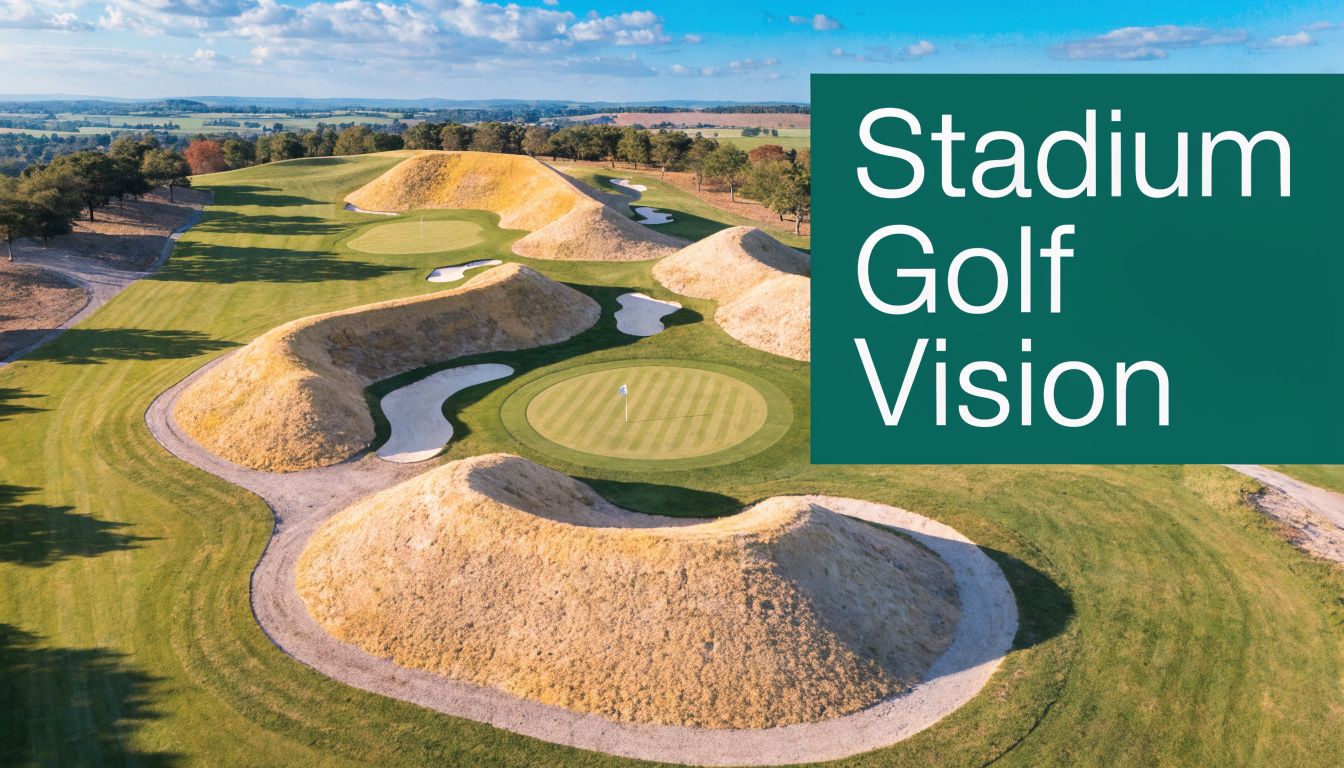
TPC Sawgrass was engineered as the first true stadium course, built around spectator sightlines through large, sloping mounds that function like natural seating. That architecture creates natural gathering zones, especially around the 137-yard par-3 17th, and it directly affects how tournament staff should think about routing spectators and placing scoring visibility points, as shown in the TPC Sawgrass yardage book.
Stadium golf isn't just about fans
The term "stadium course" often conjures an image of grandstands built into the land. That's true, but incomplete. The mounding also frames golf shots. It narrows perception, raises visual pressure, and gives players the sense that every decision is exposed.
From an operations standpoint, that means three things matter more than they do at a flatter, more open venue:
Sightline control
If spectators naturally drift to raised mounds, your visible scoring points need to meet them there, not sit where traffic is light.Congestion planning
The routing creates obvious congregation around spectacle holes. Staff need traffic plans that prevent players from walking into noise and bottlenecks at the wrong moments.Timing discipline
Elevation changes and amphitheater-like gathering areas can slow movement around greens and tees. Event timing has to account for that.
Practical rule: On a stadium course, the architecture tells you where crowds will stand before the first group tees off. Ignore that, and you're solving avoidable problems all day.
Why this design still matters to modern event setup
The stadium concept also changed how course drama is experienced. Spectators don't just see isolated shots. They feel the momentum swings, because the land concentrates attention.
That’s one reason planners can learn from destination golf guides that discuss course experience beyond scorecards alone. This guide to Algarve golf destinations is useful in that sense. It shows how routing, terrain, and viewing experience often shape the memory of a round as much as the raw difficulty.
For tournament directors, Sawgrass presents a clean lesson. Good operations here start with the land itself. If the mounds create natural theaters, use them. If the routing concentrates people near signature holes, plan around that reality rather than trying to force a different pattern.
The course was built for visibility, pressure, and spectacle. Any event setup that ignores one of those three will feel out of sync with the property.
Front Nine Layout A Strategic Walkthrough
The first tee at Sawgrass often tells the truth before the scoreboard does. You can spot the players who arrived with a clean plan and the ones who only brought confidence. On the front nine, the course rewards discipline early, then keeps asking whether that discipline will hold for another hole, and then another.
For tournament staff, that matters immediately. This side of the property does not create chaos through one famous hole. It creates pressure through repeated decisions about line, club, and miss location. If you are setting up live scoring, pace checkpoints, or volunteer coverage, the front nine gives you a steady stream of small moments that can turn into delays.
Holes 1 through 3 and the opening tone
The 1st hole is a par 4 at 423 yards, and it works best as an organizer's warning sign. Players start the day facing a tee shot that asks for commitment, but not too much. That usually produces conservative opening strategy from experienced competitors, while anxious players try to force an aggressive start and bring rough or a poor angle into play.
The 2nd and 3rd continue that theme. Distance helps, but angle controls the quality of the approach. That is the front-nine pattern at Sawgrass. A player can hit a fairway and still be slightly out of position, which is why these holes separate smart management from simple ball-striking.
From an event perspective, this stretch often creates the first scoring spread without looking dramatic. Groups are not searching for balls everywhere. They are stopping to confirm yardages, discussing whether to challenge a side of the fairway, and taking extra time over approach shots that look simpler than they play.
Hole 4 through Hole 6 and the first real stress test
The middle portion of the outward nine starts exposing decision quality.
The 5th hole is the front side's clearest test of conviction. Water left changes the player's visual picture from the tee, and the green asks for a precise second shot even after a solid drive. The practical lesson is simple. On a hole like this, indecision causes as many mistakes as a bad swing.
Hole 6 then becomes a management problem as much as a design problem. Players who made a mistake on 5 often arrive trying to repair the card too quickly. I see that pattern in tournaments on demanding courses all the time. One poor choice rarely causes the big number by itself. The next rushed choice is usually the one that finishes the damage.
A useful way to read this stretch is to connect each cluster of holes to the type of choices it forces:
Hole stretch | What players face | What usually works |
|---|---|---|
1 to 3 | Early tee-shot discipline and approach angles | Start with shape control and accept conservative targets |
4 to 6 | First sustained run of pressure | Play for the correct side of the fairway, even if it means a longer club in |
7 to 9 | Tighter positional demands near the turn | Choose misses that leave simple recoveries and protect pace |
That same framework helps staff assign attention where rounds tend to slow.
Hole 7 through Hole 9 and the close of the outward side
The last three holes on the front side are less famous than what comes later, but they are operationally important because they punish loose planning. Players need to know not only the target, but the acceptable miss. That is a different question, and on a course like Sawgrass it often decides whether a group keeps momentum or starts backing up.
The 9th hole is a strong example. A narrow driving area and trouble near the green turn it into a positional hole from start to finish. The drive shapes the approach window. The approach shapes the short-game difficulty. That chain reaction is exactly why hole-mapping matters, and a detailed hole-by-hole golf course strategy framework is useful for tournament prep, not just player prep.
For organizers using Live Tourney, this is the point on the front nine where setup details start paying off. If the software flags slower scoring intervals or identifies repeated trouble on one hole, staff can react before a small delay affects the turn. Sawgrass rewards that kind of early correction because the course keeps applying pressure rather than waiting for one signature moment.
Common front-nine mistakes
The front nine usually punishes four errors:
Using driver by default: Better placement often matters more than raw length.
Missing on the wrong side: Short-sided recoveries around these greens add stress quickly.
Chasing a birdie after a bogey: Emotional recovery matters as much as technical recovery here.
Choosing distance over angle: A fuller shot from the right part of the fairway is often the better trade-off.
What tournament staff should watch on the front nine
This side of the course tends to produce quiet slowdowns. They show up in club-selection conversations, longer reads into guarded greens, and extra score verification after holes where the field posts a mix of pars and mistakes.
Staff should pay close attention to:
Tee boxes with multiple viable options, where players spend extra time deciding between placement and aggression
Approach zones into guarded greens, where caution adds pre-shot routine time
Scoring checkpoints near the turn, where small delays can carry into the back nine if they are not corrected early
That is the front nine in practical terms. It is less about spectacle and more about repeated, controlled stress. Players who understand the tpc sawgrass golf course layout keep accepting the correct trade-off. Players who fight for the heroic shot usually spend the rest of the day trying to get back in position.
The Treacherous Back Nine Layout Analysis
I have seen plenty of hard finishing stretches, but Sawgrass does something more demanding on the back nine. It keeps changing the question. One hole asks for patience off the tee, the next asks for a committed line, and the last stretch tests whether a player can make a clear decision with noise all around them. That matters to competitors, and it matters just as much to tournament staff trying to keep groups moving and scoring accurate under pressure.
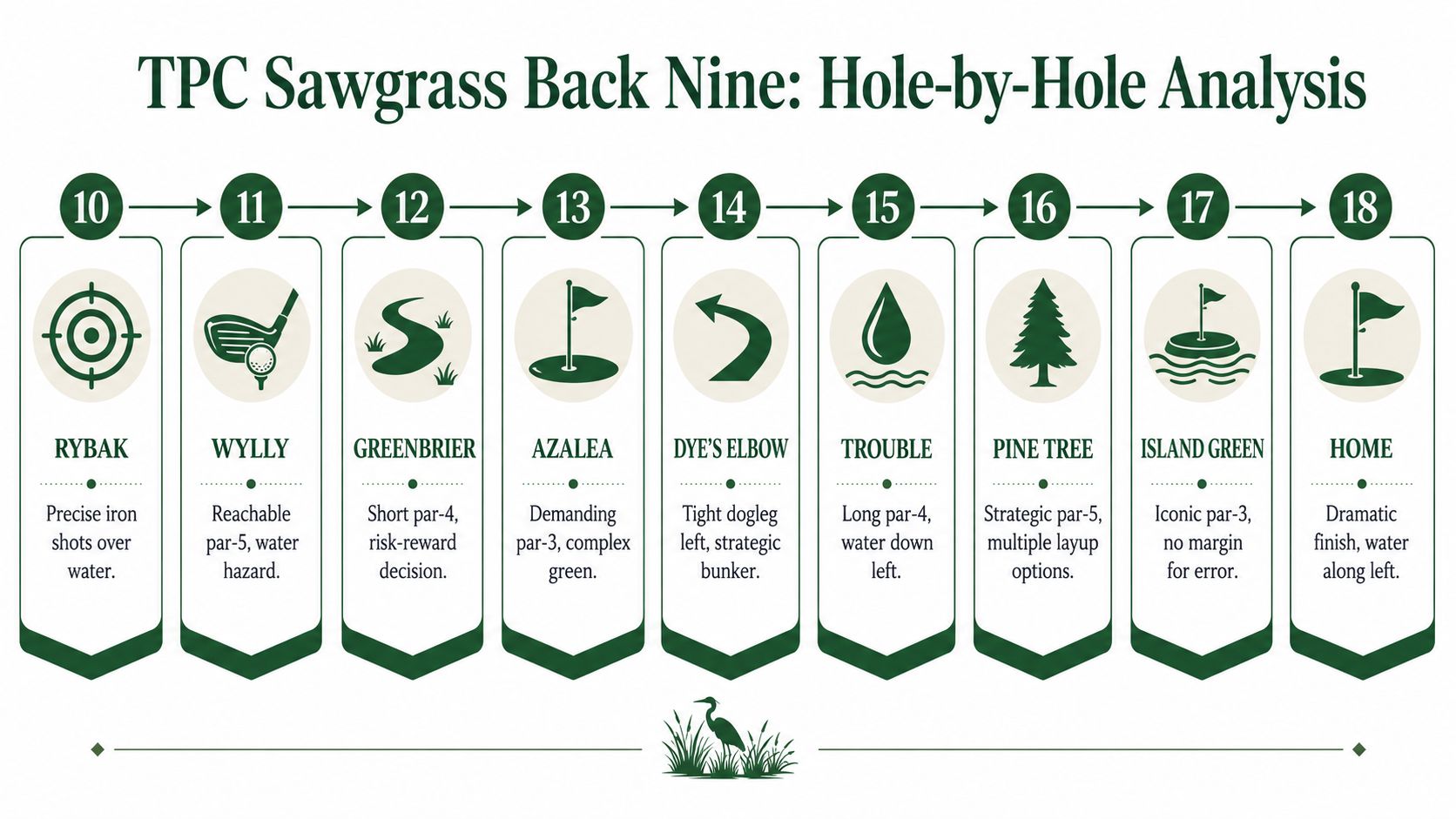
Holes 10 through 13 and shifting gears
The 10th is a reset hole, but only for players who treat it that way. The layout rewards a controlled start to the inward side, and it punishes the player who is already thinking about the closing holes instead of the next landing area.
The 11th introduces a different kind of pressure. Water in view changes commitment, even when the line is clear on paper. From an event operations standpoint, pace starts to separate. One group sees an obvious conservative play and moves on. Another group debates shape, carry, and angle, and the entire wave behind them feels it.
The 12th and 13th form one of the sharpest strategy turns on the course. The 12th is the kind of short par 4 that tempts players into creating their own problems. The 13th flips the script and demands precise distance control into a green that can turn a safe swing into a defensive two-putt. As noted earlier, standard hole guides capture the yardage and hazards, but they rarely explain the operational reality. These holes create different decision times, different miss patterns, and different scoring swings within a very short walk.
Holes 14 and 15 and the real squeeze point
If I am planning staffing for a competitive round at Sawgrass, I pay extra attention to 14 and 15. On these holes, the back nine stops asking for touch and starts asking for full commitment.
The 14th is a hard par 4 in the proper sense of the term. It requires a complete plan from the tee forward. Players need the right starting line, the right shape, and the discipline to accept a longer approach if that keeps the ball in a playable position. The 15th follows with a different visual problem. The dogleg asks players to choose how much they want to bite off, and a poor choice usually leaves an awkward second shot rather than a clean recovery.
That distinction matters. Difficult holes do not all slow play for the same reason. On 14, players spend time confirming a full-hole plan. On 15, they spend time deciding how aggressive they can afford to be. For tournament directors, that means watching both tee timing and approach-zone backups. If a group loses a minute on each decision, Live Tourney or any live scoring platform has to help staff spot the gap before it reaches the amphitheater around the finish.
A useful way to read this stretch:
Hole 12 rewards restraint and a clean wedge number more often than a forced attack.
Hole 13 punishes the lazy miss because the green structure makes recovery harder than it first appears.
Hole 14 asks for a complete hole strategy, not just a good drive.
Hole 15 exposes indecision off the tee more than poor mechanics.
Sawgrass gets harder on the back nine because the player cannot rely on one repeating pattern. The course keeps forcing a new answer.
Holes 16 through 18 and the finishing test
The 16th is a setup hole in the best tournament sense. It can reward aggression, but its bigger role is emotional. A birdie chance there changes how a player walks to 17, and that shift in mindset affects everything from club selection to pre-shot timing.
The 17th gets the attention, yet the operational challenge starts before the swing. Players arrive with more noise, more waiting, and more awareness of consequences than they faced on most of the course. The target is clear. Commitment is not. That is why the hole produces both brilliant swings and tentative ones, often from players with the same number in hand.
Then comes 18, one of the strongest closing holes in championship golf because the risk is visible and immediate. The water line on the left forces a decision every player and every spectator can understand. From an event management standpoint, that clarity is useful. Staff can anticipate where crowds will stop, where scoring disputes are most likely to matter, and where a leaderboard change can alter the pace and mood of the entire property.
Back-nine event management notes
The inward half of Sawgrass needs active management, not passive observation. Trouble does not build evenly here.
Area | Why it matters | Staff response |
|---|---|---|
11 to 13 | Different hole types create uneven decision times and mixed scoring outcomes | Watch tee intervals closely and correct spacing before the midpoint of the back nine |
14 to 15 | The strategy load is high and players often slow down over club, line, and shape | Position staff where they can monitor both teeing ground delays and approach backups |
16 to 18 | Crowds tighten, scoring volatility rises, and player routines lengthen under pressure | Increase scoring visibility, marshal crossings carefully, and prepare for sudden leaderboard changes |
The practical lesson is simple. Sawgrass does not wait until the island green to test tournament control. The back nine starts applying pressure at 10, squeezes hardest in the middle, and then asks players and staff to stay precise when the entire property is watching.
Decoding the Signature Holes of Sawgrass
Every course has famous holes. Sawgrass has holes that alter behavior before a player even reaches them. That’s the difference. The signature moments here don't start at impact. They start in the walk, the wait, and the thoughts that build between shots.

The 12th invites the wrong kind of confidence
Short par fours often tempt players into confusing possibility with obligation. The 12th at Sawgrass has that effect. It looks like a place to force the issue, but the better play depends on position, format, and where a player stands at that moment in the round.
In stroke play, the prudent line often keeps the card intact. In match play, that same hole can become an attack point because the downside is easier to absorb. That's exactly why static hole descriptions never tell the full story.
The 16th creates movement before the finish
By the time players reach 16, they know what's next. That changes how they see a birdie chance. A good result here doesn't just improve the score. It changes the emotional walk to the 17th tee.
That matters for spectators too. The energy around the closing stretch builds because 16 can produce hope, 17 can erase it, and 18 can still decide everything. Very few courses sequence pressure that cleanly.
The 17th is famous for more than fear
The island green gets framed as a pure nerve test, but its deeper genius is how simple it appears. A 137-yard par 3 shouldn't dominate professional golf conversation as much as it does. Yet this one does, because the design strips away excuses.
There isn't much visual clutter. There isn't a complicated routing decision. It's one shot, one target, one consequence. That simplicity is what makes the pressure unavoidable.
The 17th doesn't ask players to be creative. It asks them to be precise when everyone is watching and the punishment is obvious.
The 18th is a closer, not an epilogue
Some finishing holes feel like one last obstacle. The 18th at Sawgrass feels like final judgment. Water along the left side creates immediate commitment issues from the tee, and the player has to decide whether to challenge the edge or steer away and accept a harder next shot.
That design works because it finishes the course in character. Sawgrass spends all day asking for position, discipline, and a clear plan. The 18th asks for the same things under the heaviest pressure.
The signature holes are memorable, but they aren't isolated showpieces. Each one fits the logic of the full tpc sawgrass golf course layout. That's why they feel earned rather than manufactured.
A Tournament Playbook for the Stadium Course
By the time a field reaches the closing stretch at Sawgrass, a tournament director can see the same thing the players feel. Rhythm starts to break apart. One group needs extra time over a decision. Another finishes a hole quickly and runs into a backup. Spectators drift toward the obvious viewing points, and suddenly the course is testing operations as much as it tests ball-striking.
That is why Sawgrass punishes generic tournament setup. The architecture creates uneven pace, concentrated foot traffic, and sharp scoring swings. If staff, scoring, and format rules are built for a flatter, more predictable course, small delays spread fast here.
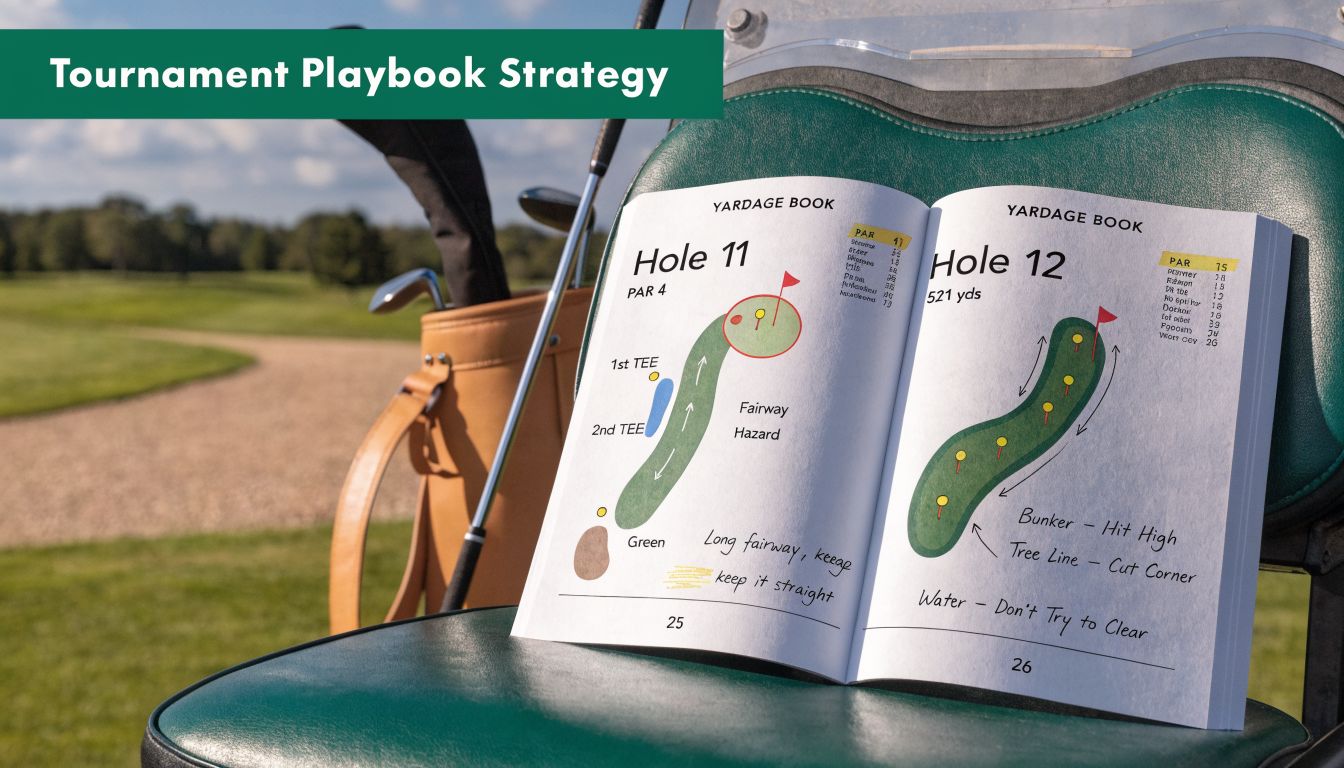
Public guides usually stop at routing and yardage. Organizers need a different layer of information. They need to know where groups slow down, where score volatility can distort side games, and where spectators naturally stack up. That wider operational context is covered in this TPC Sawgrass location and course context resource and in the broader discussion from this TPC Sawgrass map and layout article.
What good tournament setup looks like here
Strong setup starts with one basic rule. Do not treat every hole the same.
Some holes mainly need efficient score collection and clear player instructions. Others need visible staffing because decision time increases, galleries thicken, or both. On a course like Sawgrass, equal coverage often produces uneven results.
A practical setup usually includes:
Extra attention at pressure corridors: Staff the areas where players pause over club selection, target lines, or drops, and where spectators are likely to stop rather than pass through.
Format-specific rules communication: Match play, stroke play, and side games create different player behavior on the same hole, so wording and timing matter.
Scoreboard placement tied to foot traffic: Put information where people already gather instead of asking them to hunt for it.
Tournament staff often spend too much time ranking holes by difficulty and not enough time studying behavior. The better question is where players and spectators hesitate, cluster, and wait. Those are the areas that need the cleanest operations.
Where software earns its keep
Paper can still work at a small event. Sawgrass exposes its limits quickly.
Delayed score entry, hand-checked side games, and static pairing sheets all struggle when groups move at different speeds and pressure holes create uneven spacing across the course. Modern tournament software solves a practical problem here. It keeps scoring, pairings, and contest logic aligned even when the round stops feeling linear.
A platform like Live Tourney handles live scoring, pairings, side games, and leaderboard visibility in one place without requiring players to download an app. That fit matters at Sawgrass because the course rarely feeds information back in a neat sequence.
If your scoring process assumes groups will finish in a clean, predictable order, Sawgrass will expose that assumption before the round is over.
The trade-offs tournament directors actually face
At this venue, directors are usually balancing three things at once.
Priority | What helps | What creates problems |
|---|---|---|
Pace of play | Clear scoring instructions, fast input points, simple side game rules | Late rule explanations, too many optional games, bottlenecks around decision-heavy holes |
Spectator experience | Leaderboards and staff positioned near natural gathering areas | Key information pushed into low-traffic spaces |
Competitive fairness | Formats and payouts matched to the course's risk profile | Treating volatile holes the same way as steady ones |
The operational goal is straightforward. Reduce the number of decisions players must make off the ball, and improve the amount of information spectators can see without asking for it. Events feel sharper when both happen at once.
A practical Sawgrass operating mindset
If I were briefing staff for this course, I would keep the message short.
Monitor the back-nine gathering points early, before slow play becomes a scoreboard problem.
Run the closing stretch like a featured production area, with tighter communication and faster scoring confirmation.
Build workflows around where the course creates stress, not around what is easiest at the registration table.
That is the tournament side of the tpc sawgrass golf course layout. The design does more than influence club choice. It dictates where tournaments tighten up, where they fall behind, and where good systems earn their value.
Mastering the Sawgrass Challenge
TPC Sawgrass works because every part of the property serves the same idea. The course rewards position, punishes loose commitment, and keeps pressure visible from the first tee to the last green. That’s why the layout stays relevant. It tests skill, but it also tests judgment.
For players, the main lesson is simple. Sawgrass rarely asks for reckless heroics. It asks for the right club, the correct section of fairway, and the discipline to accept a smart miss when the hole demands it.
For tournament directors, the lesson is just as clear. This course should be managed according to how people move through it. Spectators gather where the land tells them to gather. Players slow down where the design forces choices. Strong event planning begins by reading those patterns correctly.
A useful companion skill for any staff working a venue like this is understanding how daily setup changes alter strategy. Reading pin locations well can sharpen everything from hole notes to scoring expectations, which is why this guide on how to read pin sheets is practical preparation.
Sawgrass doesn't hide its intentions. It shows you the trouble, invites a decision, and waits to see whether you stay patient. That makes it one of the clearest architectural statements in golf.
Understand the layout, and the course starts to make sense. Ignore it, and the round starts making decisions for you.
If you're organizing events on demanding layouts and want a cleaner way to handle live scoring, pairings, side games, and leaderboard visibility, Live Tourney is worth a look. It fits the way modern tournaments run, especially on courses where pace, pressure points, and spectator flow all matter.