May 7, 2026
golf tournaments georgia, georgia golf events, pga tour georgia, amateur golf georgia, golf event management
Explore the best golf tournaments georgia in 2026. This guide details dates, locations, professional & amateur events, and how to run your own.

You’re standing at the rope line in Augusta, trying to decide which Georgia event deserves a weekend trip. Or you’re in a tournament chair meeting, looking at a registration sheet, sponsor board, and volunteer schedule, trying to figure out why some events feel first-class and others feel patched together.
Georgia is a strong test market for golf events because it has year-round demand, respected clubs, established governing bodies, and an audience that notices details. Fans have choices. Organizers face a tougher reality. Good golf alone does not carry a tournament. Pace of entry, parking flow, signage, live scoring, hospitality, and communication usually decide whether players and spectators come back.
That is the useful angle in this list. It is a spectator guide, but it is also a working model for directors, pro shops, club managers, and committees that want to run a sharper event. Each tournament shows something worth copying, whether that is brand discipline, sponsor fit, volunteer deployment, or a better digital experience.
The benchmark starts with Augusta. If you want context before that section, study the Augusta National course layout and routing. Even merchandise tells you something about event identity and buyer demand. Fans who want a style reference can explore 2ndShotMVP's Masters hat features.
Use the seven events below two ways. Pick the ones worth attending. Then borrow the operating choices that make them work, and apply those lessons to your own member-guest, junior series, charity outing, state event, or city amateur.
1. Masters Tournament (Augusta National Golf Club)
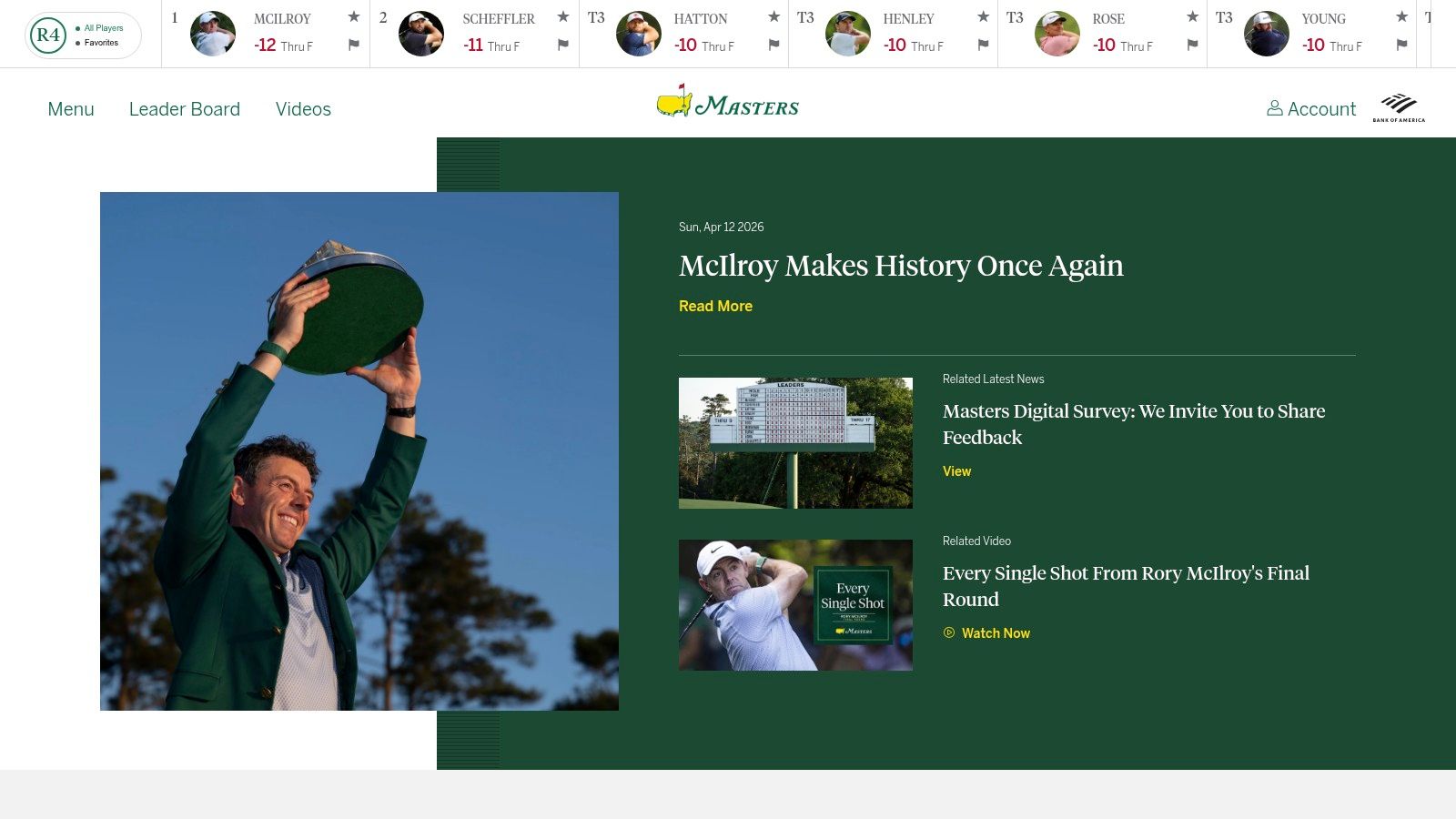
You arrive at the gate with a valid ticket, a plan for the day, and almost no uncertainty. That is the Masters experience. Augusta National sets the standard because the event feels controlled from the first interaction to the last putt on Sunday.
For spectators, that means a bucket-list week built around the best players, a course with instant visual identity, and traditions that still feel protected. For organizers, it is the clearest example in Georgia of what happens when a tournament commits to consistency year after year. Same venue. Same expectations. Very little operational drift.
What organizers should copy
The lesson is not “spend more.” The lesson is “edit harder.”
Augusta strips out friction. Guests know where to go. Branding is restrained and recognizable. Staff presence feels deliberate. The tournament does not overload the experience with clutter, mixed messages, or last-minute improvisation. Smaller events can copy that approach even on a modest budget.
A lot of club and charity tournaments miss this point. They chase premium optics first, then leave registration, tee sheet communication, live scoring, parking flow, and volunteer assignments too loose. Players notice that immediately. Spectators do too.
Practical rule: If players always know their starting hole, pace expectations, score status, and next checkpoint, your event feels better run than half the field.
That is where a platform like Live Tourney fits the organizer side of this conversation. Augusta proves that polish starts with control. For everyone else, control usually comes from cleaner registration, sharper player messaging, and scoring that updates without confusion.
Course design matters too. Augusta is famous for presentation, but routing is part of the product. The way holes build pressure, move spectators, and create viewing corridors affects the entire tournament day. Organizers studying venue setup should review Augusta National’s layout and routing.
Best fit for spectators
Bucket-list fans: Access is limited, demand is intense, and planning ahead is part of the deal.
Tournament directors and club managers: Study the discipline behind the experience, not just the visuals.
Merchandise and event-branding fans: The Masters remains one of golf’s strongest examples of identity done right. You can also explore 2ndShotMVP's Masters hat features.
The trade-off is straightforward. The Masters delivers the highest standard on this list, and it is also the hardest event to attend on your own terms. Spectators get prestige and structure. Organizers get a working model for how strong systems make an event feel first-class.
2. TOUR Championship (East Lake Golf Club)
If the Masters is about tradition, the TOUR Championship is about control under pressure. East Lake hosts the PGA TOUR’s season finale, and that changes the whole feel of the week. Smaller field, bigger stakes, more corporate activation, and less margin for operational mistakes.
For Atlanta spectators, this is one of the cleanest pro sports experiences in the state. For organizers, it’s a strong example of building an event around a premium audience without losing the golf.
Where this event is strongest
The field is limited to the PGA TOUR’s top performers, so fans won’t see the same player volume they’d get at a regular TOUR stop. But that smaller field helps operations. Hospitality zones, movement around key holes, and sponsor programming can be tighter and more deliberate.
That’s an important lesson for charity and corporate events. Bigger isn’t always better. A tournament with fewer players, cleaner tee sheets, and stronger sponsor visibility usually lands better than an overstuffed field with slow play and weak pacing.
Premium events don’t feel crowded with options. They feel edited.
The other thing East Lake gets right is identity. It doesn’t try to be all things to all fans. It knows its audience. That matters for local organizers choosing formats, tee times, and sponsor packages. Don’t sell a championship like a casual outing, and don’t run a fundraiser like a tour event if your players want a lighter day.
Trade-offs to know
Best for hospitality buyers: This is one of Georgia’s strongest golf weeks for client entertainment.
Best for serious fans: Every group matters because the season is on the line.
Less ideal for broad player variety: A small field means fewer names spread across the property.
If you’re evaluating TOUR Championship tickets and event details, the main takeaway is simple. This event proves that premium positioning works when the schedule, venue, and sponsor inventory are aligned from the start.
3. The RSM Classic (Sea Island Golf Club)
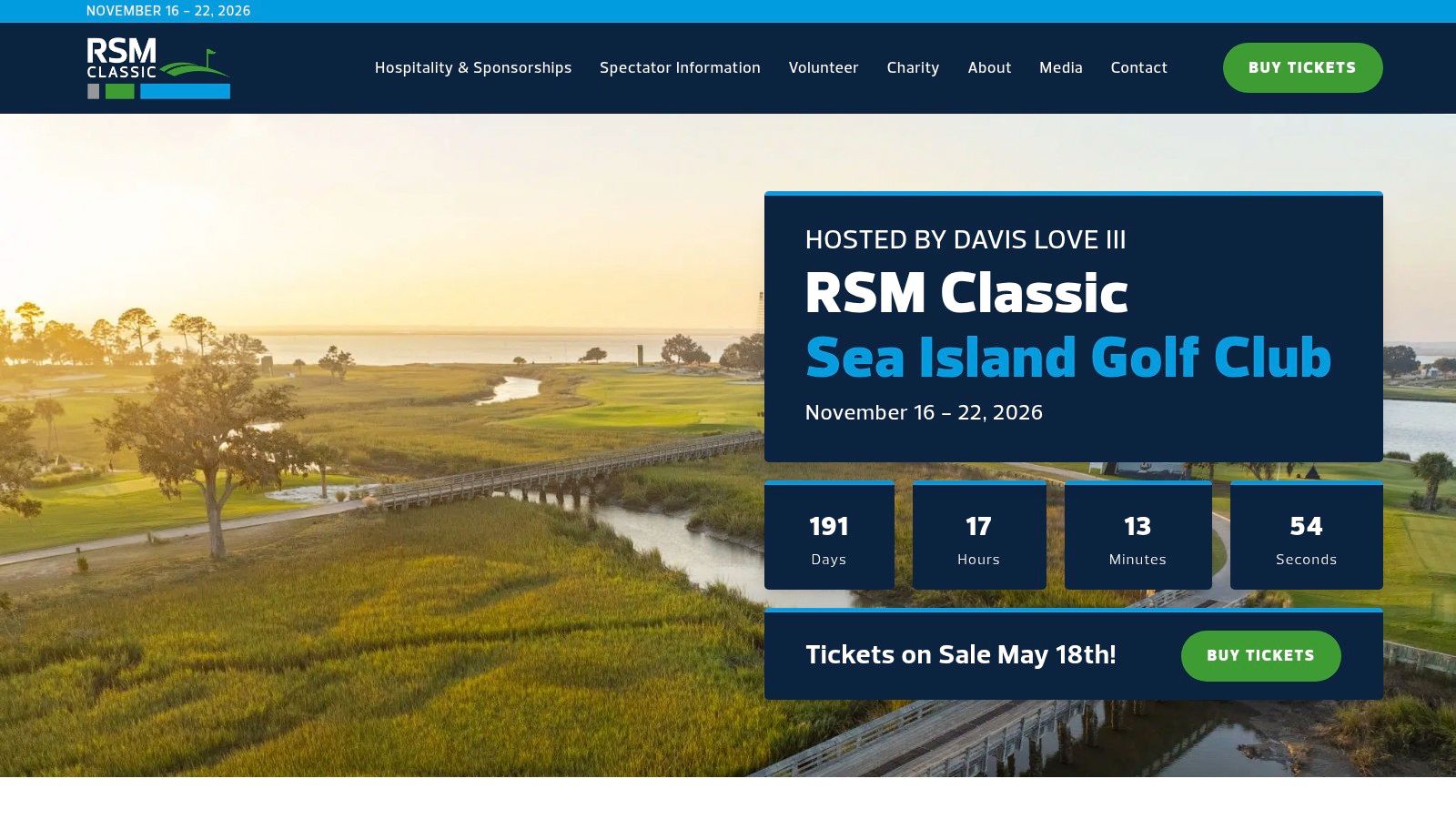
A fan arrives at Sea Island expecting a quiet coastal week and quickly notices something tournament operators care about right away. The property is handling a PGA TOUR stop without forcing every player, sponsor guest, and spectator through one crowded funnel. That is a key lesson behind the RSM Classic.
For spectators, the event feels calmer than a big-city tournament. For organizers, it shows how much pressure course routing can take off registration, shuttles, scoring, and pace of play before the first group tees off.
Why the two-course setup matters
Sea Island uses Seaside and Plantation during the tournament, and that structure solves a problem many amateur and charity events create for themselves. They overload one course, compress the morning wave, and spend the rest of the day trying to recover lost time.
A split-course model gives operators more room to separate divisions, spread sponsor activity, and keep the property usable for guests who are not following a marquee group. You do not need two championship courses to apply the same idea. Split tees, assigned divisions by course, and staggered starts can produce a similar result if the event plan is built early.
That point matters in Georgia, where many organizers have access to multi-course resorts, club networks, and overflow venue options. The smart play is not adding complexity for its own sake. It is reducing congestion before it hits the cart staging area, practice tee, and scoring table.
Organizers building that kind of schedule can borrow ideas from other Atlanta-area golf tournaments and outing formats, especially if they are deciding between a single-course shotgun and a split-field format.
What spectators enjoy, and what organizers should study
Fans get a better walk, strong sightlines, and a setting that feels more like a golf trip than a traffic exercise. That matters because comfort keeps people on property longer, which helps concessions, sponsor exposure, and overall satisfaction.
The trade-off is planning around lodging and transportation. Destination events ask more from guests, staff, and vendors. If room blocks, shuttle timing, and off-course communication are loose, the experience starts to slip fast.
For tournament directors, the takeaway is straightforward.
What works: Multiple courses reduce choke points and create a more relaxed spectator day.
What to watch: Travel, lodging, and player communication need tighter planning than a local one-site event.
Best operational lesson: Field flow is part of the product, not a background detail.
For event details and travel planning, the official RSM Classic website is the place to start. If you run tournaments, this event is worth studying because it proves polished operations often start with routing decisions, not last-minute fixes in the scoring tent.
4. Mitsubishi Electric Classic presented by Vensure (PGA TOUR Champions)
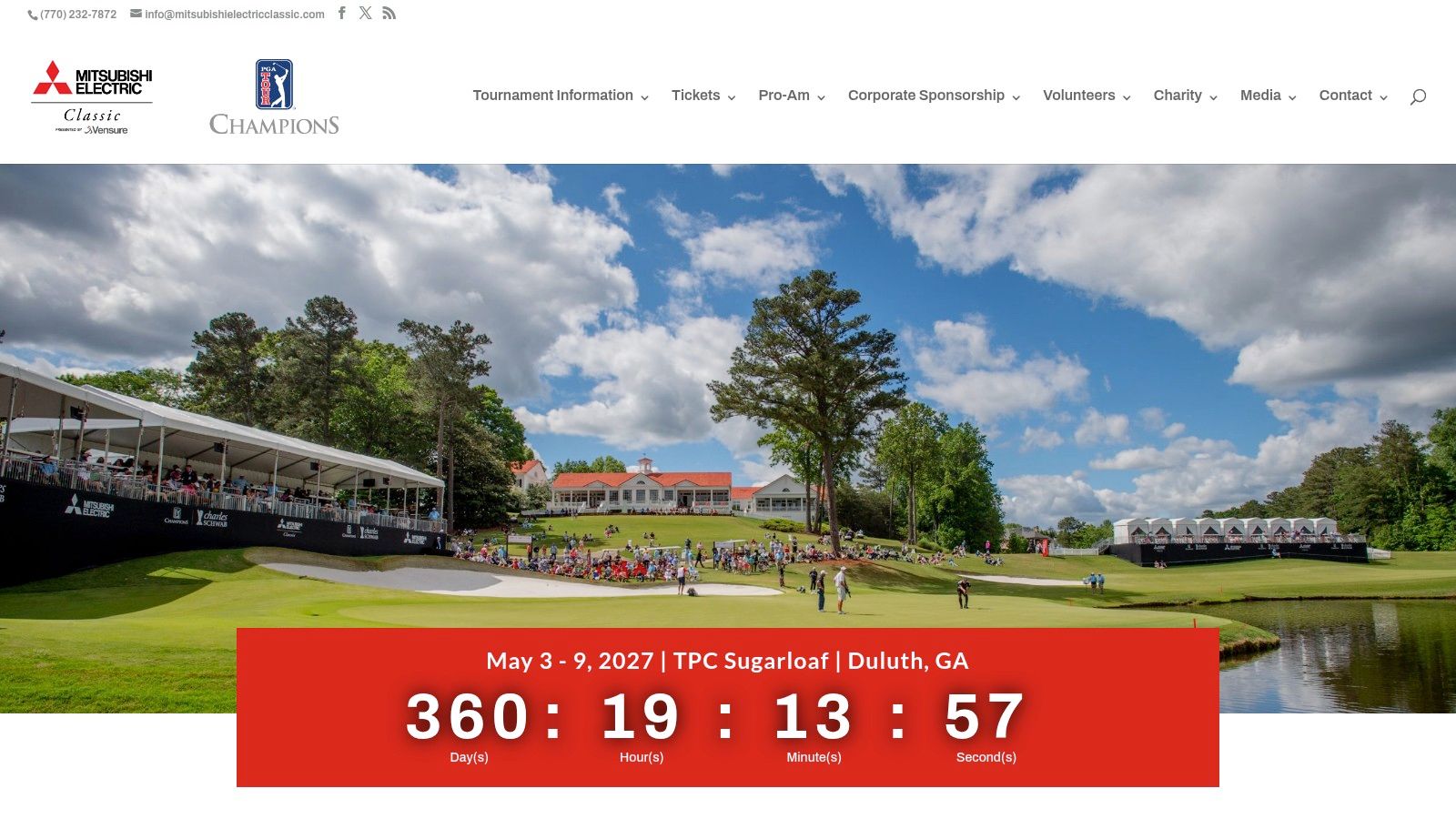
Some tournaments work because they’re massive. Others work because they’re comfortable. The Mitsubishi Electric Classic at TPC Sugarloaf is in the second category, and that’s not a criticism. It’s a strength.
Champions events usually give spectators easier access to players, cleaner sightlines, and a more manageable day on property. In metro Atlanta, that’s a practical advantage. Easier drive, easier navigation, easier sell for sponsors who want a quality experience without the full-scale chaos of a major week.
Lessons from a fan-friendly venue
TPC Sugarloaf’s history with the event gives it a stable playbook. That’s worth noting because repeat venues usually produce calmer operations. Staff know the property. Volunteers know traffic patterns. Sponsors understand where hospitality works best.
Smaller organizers can apply the same idea. If you’ve found a course that fits your event, don’t rotate just to create novelty. Consistency helps signage, cart staging, registration flow, pace-of-play planning, and sponsor retention.
Field note: Players forgive a lot when check-in is fast, carts are ready, and scoring is simple.
That last point matters for amateur events. People don’t want to download clunky software at the bag drop table. Browser-based scoring is usually the better move, especially for mixed-age fields and corporate groups. It reduces friction and gets more players participating in the competition instead of avoiding the tech.
Who should put this event on the calendar
Atlanta-area fans: It’s one of the easiest tournament trips in the state.
Corporate hosts: Pro-am and hospitality options fit business entertainment well.
Club managers: This is a good model for how repeat venue history improves execution.
You can review ticket and hospitality options on the Mitsubishi Electric Classic website. The lesson here is straightforward. Accessibility is part of quality.
5. Club Car Championship at The Landings Golf & Athletic Club (Korn Ferry Tour)
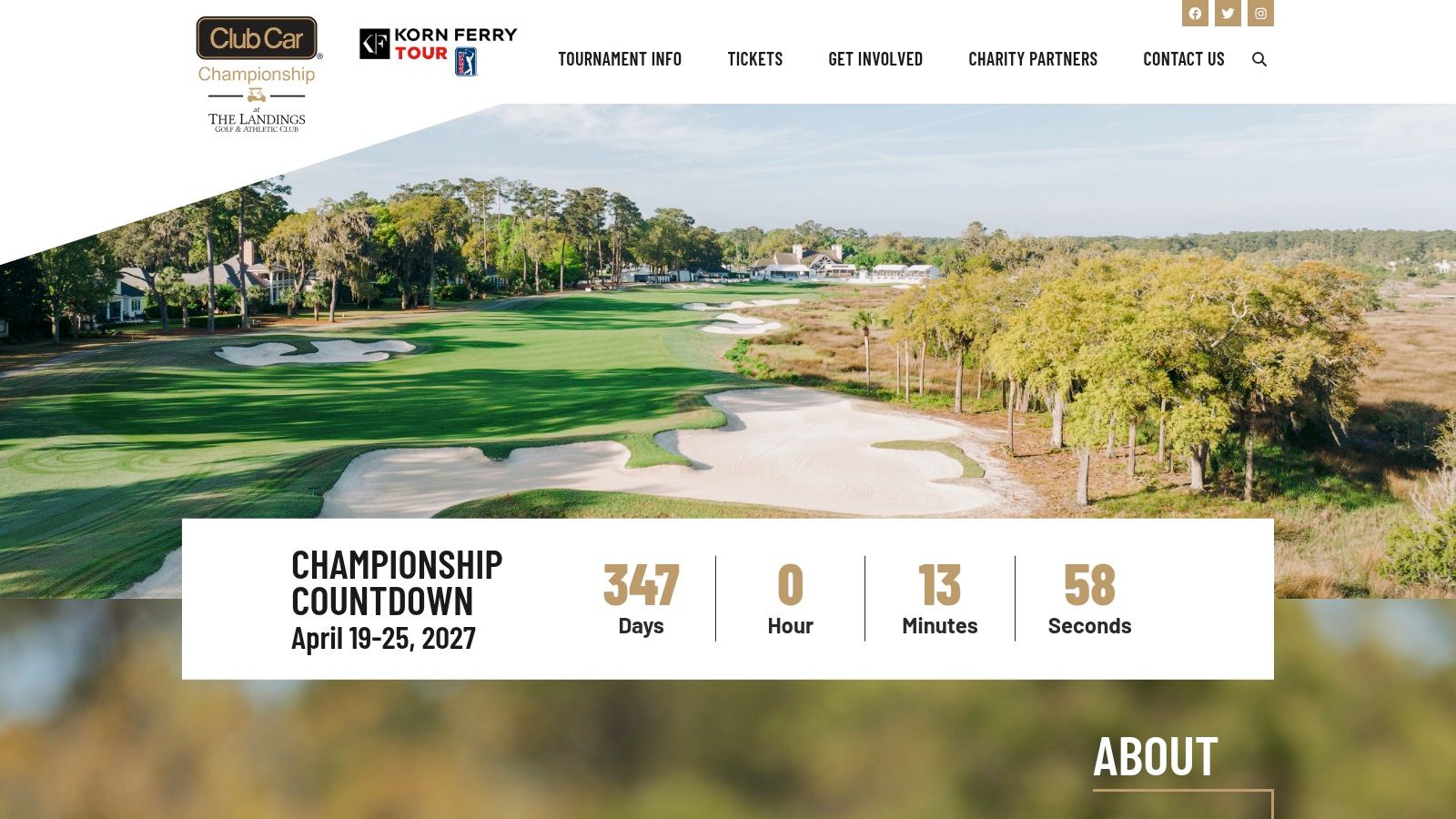
You arrive early, walk straight to the rope line, and stand close enough to hear a player and caddie settle on yardage. That is the draw here. The Club Car Championship gives fans a clear look at players who are close to the PGA TOUR level, without the crowd density and access limits that come with a major stop.
For spectators, that makes this one of the more enjoyable tournament weeks in Georgia. You get serious competition, a strong host property, and a Savannah trip that feels worthwhile even beyond the course.
For organizers, this event is useful for a different reason. Korn Ferry Tour tournaments usually operate with tighter margins and less room for waste, so the good ones tend to be disciplined. That makes them better models for regional events than a major championship with a much larger budget and infrastructure.
What organizers should study here
The first lesson is proximity. Fans do not need constant spectacle if they can follow the golf. A course setup that keeps sightlines clean, crossing points manageable, and hospitality areas out of the way often produces a better on-site experience than a louder event with more clutter.
The second lesson is local fit. Savannah is part of the sell, but it should support the tournament instead of distracting from it. Smart organizers package the destination, the schedule, and the player access into one clear reason to attend.
The third lesson is operational restraint. Emerging-player events work best when registration, pairings, scoring, and volunteer communication stay simple. That applies directly to amateur and pro-am organizers. If your staff is spending tournament morning fixing logins or chasing scorecard errors, the system is too heavy. Live scoring tools such as Live Tourney work best when they remove steps for players and staff, not add them.
Why this event works for both audiences
Spectators: You can watch future PGA TOUR players from close range and follow the action without fighting major-championship crowds.
Tournament directors: The event shows how to build a credible professional product through access, course fit, and clean operations.
Sponsors and host clubs: It is a strong example of a tournament that feels connected to its market instead of dropped into it.
For tickets, schedules, and hospitality, check the Club Car Championship website. This is a strong tournament to watch, and an even better one to study if you want to run a better event yourself.
6. Georgia Open (Georgia PGA Section)
The Georgia Open doesn’t get the national spotlight of TOUR properties, but inside the state’s golf community, it carries real weight. That’s often the best kind of tournament to study because it blends prestige with practical execution.
A state open has to satisfy serious players, credible administrators, host facilities, and local supporters at the same time. That balancing act is exactly what many regional tournaments struggle with.
Why rotating venues can help
Unlike an event tied to one permanent home, the Georgia Open can showcase different courses around the state. That gives host clubs visibility and lets the championship test players in different ways.
Rotating venues also creates a challenge. Every new site requires fresh operational mapping. Registration areas, spectator corridors, scoring zones, range flow, parking, and volunteer assignments all need to be rebuilt around the property. If your tournament changes sites, you need software and staff habits that travel well.
That’s where simple systems beat bloated ones. Pairings, score entry, cart signs, and live results should be easy to adapt from one venue to another. If your event requires heavy retraining every time you move, the tool is working against you.
Good tournament tech should fit the course. The course shouldn’t have to fit the tech.
Who should pay attention to this event
Competitive amateurs and pros in Georgia: It’s a respected in-state title.
Host clubs: Venue rotation creates visibility inside the local golf network.
Tournament directors: This is a useful model for portable championship operations.
For schedule and host information, see the Georgia Open page from the Georgia PGA Section. This tournament proves that strong administration still matters, even without national TV glare.
7. Georgia Amateur Championship (Georgia State Golf Association)
A player arrives on the first tee expecting a fair test. He also expects the basics to be right. Pairings posted on time, rules applied consistently, scores updated quickly, and a championship that feels organized from the first practice round through the final putt. The Georgia Amateur has earned that trust over time, and that is the key lesson for tournament directors.
Its value goes beyond tradition. For spectators, this is one of Georgia's clearest looks at serious amateur golf. For organizers, it is a strong model for how a state association builds credibility without relying on tour-level production.
What tournament organizers should study
The Georgia Amateur works because the competitive standard is clear and the administration supports it. That sounds simple, but it is where many amateur events fall apart. A good field means little if players are confused about starting times, policies, or how scores will be verified.
State-level championships also show how much visible scoring now matters. Fans want to follow the event hole by hole. Parents, club members, and media want results without waiting on a recap email. Organizers need a system that handles live scoring, pairings, and updates without creating extra work for staff.
That is the practical takeaway. Use tournament tech that fits amateur operations, not a setup built for a large pro event. If you run a recurring series, study how local golf tours create consistent player experiences, then build a scoring and communications process your staff can repeat every week.
Best reason to follow it
Strong amateur field: It remains a real proving ground for Georgia players.
Useful organizer model: Clear rules, trusted results, and steady administration give the event authority.
Good spectator experience: Live scoring and structured championship play make it easier to follow than many local events.
For official championship information, visit the GSGA competitions page. If you want to improve your own tournament, start here. Prestige follows operations, not the other way around.
Georgia Golf Tournaments: 7-Event Comparison
Event | Implementation Complexity 🔄 | Resource Requirements ⚡ | Expected Outcomes 📊⭐ | Ideal Use Cases 💡 | Key Advantages ⭐ |
|---|---|---|---|---|---|
Masters Tournament (Augusta National Golf Club) | Very high, world‑class staging, strict controls 🔄🔄 | Extremely high, budget, elite broadcast & security ⚡⚡ | Global prestige, maximum media impact 📊⭐ | Benchmark event, brand showcase, elite invitational 💡 | Unmatched prestige, seamless operations |
TOUR Championship (East Lake Golf Club) | High, season‑final logistics and points systems 🔄 | High, hospitality, partner activations, TV production ⚡ | Strong sponsor visibility and dramatic finale impact 📊⭐ | Corporate hospitality, season‑long series climax 💡 | National TV exposure, sponsor ROI |
The RSM Classic (Sea Island) | High, multi‑course coordination and travel logistics 🔄🔄 | Significant, staff, resort coordination, volunteer network ⚡ | Destination appeal, charitable impact and fan options 📊 | Multi‑course festivals, charity‑driven events 💡 | Fan‑friendly viewing, strong local support |
Mitsubishi Electric Classic (PGA TOUR Champions) | Moderate, established playbook, pro‑am integration 🔄 | Moderate, hospitality tiers, volunteer programs ⚡ | Community engagement and sponsor value 📊 | Pro‑am corporate outings and sponsor activation 💡 | Access to legends, reliable operations |
Club Car Championship (Korn Ferry Tour) | Moderate, broadcast and developmental event needs 🔄 | Moderate, volunteers, local media, modest broadcast ⚡ | Talent exposure; accessible fan experience with regional reach 📊 | Developing‑player showcases, community events 💡 | Pipeline for future stars, affordable access |
Georgia Open (Georgia PGA Section) | Moderate, rotating venues require flexibility 🔄 | Moderate, adaptable systems and local staffing ⚡ | Statewide recognition and local media value 📊 | State championship, course showcase, local engagement 💡 | Credible pathway, varied competitive tests |
Georgia Amateur Championship (GSGA) | Moderate, strict eligibility and championship setups 🔄 | Moderate, administration for qualifying and course prep ⚡ | High competitive standard and player development prestige 📊⭐ | Elite amateur competition and club prestige events 💡 | Tradition, integrity, developmental pathway |
Run Your Own Premier Georgia Golf Tournament
A Georgia tournament director usually hits the same wall at the same point. Registration closes late, pairings change the night before, players want live standings, sponsors want visibility, and staff are still chasing paper scorecards on the back nine. That is the moment when a good event starts to feel disorganized, even if the course setup is excellent.
The best events in this state show a clear pattern. Augusta protects standards. East Lake sells a premium experience. Sea Island gets the guest flow right. The Georgia Open and Georgia Amateur prove that players respect events that are administered cleanly and consistently. Spectators notice that too. They may come for the venue or the field, but they come back when the day runs on time and the leaderboard makes sense.
This is a key lesson for organizers. Premier tournaments are not defined by budget alone. They are built on clear registration, accurate pairings, fast scoring, and communication that players can trust without hunting for updates.
Live Tourney fits that job well. It gives clubs, associations, and charity committees a web-based system for registration, pairings, live scoring, and leaderboard visibility without forcing every player to download an app. In mixed-skill events, member-guest formats, school tournaments, and fundraising scrambles, that matters. Every extra login or install step loses people.
I have seen well-run events get dragged down by small administrative mistakes. A slow scoreboard creates backup at scoring. Confusing pairings create first-tee stress. Delayed results weaken the awards ceremony and waste sponsor attention. Good tournament software does not fix a weak host club or poor staffing plan, but it removes a lot of avoidable friction.
That is the trade-off organizers need to understand. You can save a little money by piecing together spreadsheets, texts, paper cards, and a volunteer at the scoring table. You usually pay for it later in errors, staff time, and a less professional player experience. A purpose-built platform costs something, but it gives time back where tournaments usually lose control.
A polished event also helps off the course. Better sponsor presentation, cleaner public scoring, and stronger host-site amenities all shape how players and guests judge the day, including details like an artificial turf putting green at a host venue or private facility. The standard is higher now, but organizers do not need a major-championship budget to meet it. They need reliable systems and a process that holds up under tournament pressure.
If your next event needs faster scoring, cleaner operations, and a better player and spectator experience, take a look at Live Tourney. It is a simple, web-based platform built for golf tournaments, leagues, and outings, with live scoring, pairings, registration tools, and no app download required.