May 11, 2026
fullerton golf course scorecard, fullerton golf course, printable golf scorecard, golf tournament software, live tourney
Get the complete Fullerton Golf course scorecard with a printable PDF, hole-by-hole yardages, tips, and course ratings. Download for your next round.
You're standing on the first tee, or you're at your desk trying to finalize pairings, and you need the fullerton golf course scorecard without bouncing between three different apps and an outdated scorecard scan. That's usually when small mistakes creep in. Someone gets the wrong tee. A handicap gets applied off the wrong rating. A side game ends in an argument because the card in one cart doesn't match the card in another.
Fullerton is the kind of course where that matters more than people think. It's compact, strategic, and not built around a standard par setup. If you're just playing a casual round, the right scorecard helps you choose clubs and manage expectations. If you're running a league day, skins game, or small tournament, the right scorecard keeps the entire day clean.
Your Essential Fullerton Golf Course Scorecard
Most golfers looking for the Fullerton card need one of two things. They either want the numbers fast, or they want to know what those numbers mean once they're on the course. Tournament staff usually need both.
At Fullerton, that matters because the layout asks for precision more than brute force. The published data shows a par-67 regulation layout that stretches to 5,168 yards from the back tees, with a 65.4 course rating and 114 slope for the primary men's Blue tee set, according to the Fullerton Golf Course listing at Golf Guide. That's a very different setup from the standard public-course scorecard many players expect.
Practical rule: At Fullerton, don't treat a short card like an easy card. Short and strategic usually means mistakes show up faster.
For players, that changes club selection and scoring targets. For organizers, it changes how you build scorecards, assign tees, and handle net scoring on a non-standard par.
What follows is the practical version. Quick reference data, a printable card, hole notes that are helpful, and the tournament setup details people usually learn the hard way.
Fullerton Scorecard Quick Reference
A quick reference card for Fullerton has to do two jobs at once. Players need a fast read before they tee off. Tournament staff need enough clean data to build a par-67 event without forcing the course into a generic par-72 setup that creates scoring errors later.
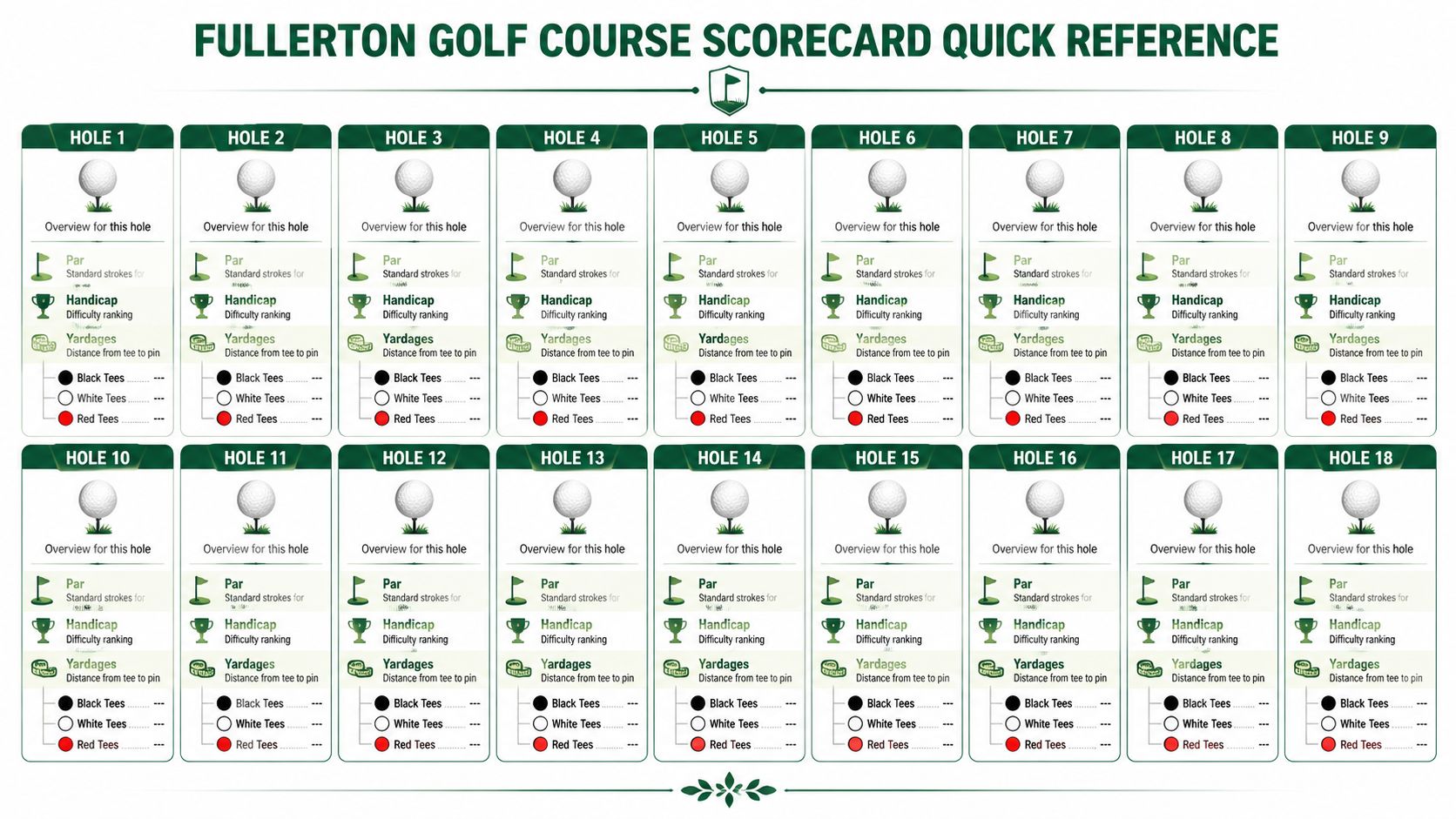
Quick course facts
Use the published tee and rating information as your setup check before you print cards, assign divisions, or load the course into scoring software.
Tee Set | Yardage | Course Rating | Slope Rating |
|---|---|---|---|
Men Blue | 5,070 | 65.4 | 114 |
Men Silver | 4,837 | 64.4 | 111 |
Women Blue | rating available | 70.3 | 123 |
Women Silver | rating available | 69.0 | 120 |
That summary is enough for most pre-round decisions. It tells players the course is short on paper but still rated as a real test. It also tells organizers to check handicaps, net calculations, and tee assignments carefully because a par-67 card changes expectations for gross and net scoring.
Hole data that is actually useful on tournament day
The worst quick-reference card is a big grid full of blanks. For Fullerton, the better approach is to keep only the verified hole details that help with setup and player prep.
Hole | Verified detail |
|---|---|
1 | Par 4, Blue 368 yards, Men HCP 3, Women HCP 7 |
2 | Par 4, Blue 505 yards, Men HCP 5, Women HCP 3 |
7 | Par 3, Blue 136 yards |
9 | Blue 359 yards |
10 | Par 4, Blue 332 yards, Men HCP 12 |
14 | Par 5, Blue 503 yards, Men HCP 8 |
18 | Par 3, Blue 145 yards |
For a player, those numbers flag the holes that can swing a round fast. For an event operator, they help verify that the digital card matches the course notes being handed out at check-in.
That matters more at Fullerton than it does at a standard municipal par-72. On a compact par-67 layout, one bad hole can shift both gross standings and net results quickly. If you are loading the course into Live Tourney, start with the confirmed par and handicap structure, then fill any remaining hole detail from the official card you plan to use on site. That keeps the printed card, mobile scoring, and payout logic aligned.
Best uses for this quick reference
Player prep: a fast look at yardage and a few obvious scoring holes before the round
Starter and scoring table backup: a clean reference when a player questions par or handicap allocation
Tournament setup: a practical checkpoint before you import the course into software and build flights, skins, or net divisions
Download Your Printable Scorecard PDF
A printable scorecard still matters. Players like having something in the cart, starters need a clean backup, and event staff need a paper reference when a phone battery dies or a player enters the wrong hole score.
The most useful printable version is simple. One page, clear tee information, room for names, room for totals, and enough spacing that players can write on it. That's what you want at Fullerton, especially for a busy shotgun, junior event, or weekday league where groups move quickly and nobody wants to squint at a compressed screenshot.
Use the printable card for:
Check-in packets handed out before the round
Cart staging when you want one paper card per group
Manual verification after play if a score needs review
Practice rounds when players want a pocket copy
If you're making your own PDF, keep it clean and use the same tee labels and par structure you'll use in live scoring. Mismatched paper and digital cards create avoidable problems.
Understanding the Course Rating and Slope
Scorecard data matters most when the setup stops being standard. Fullerton is a par-67 municipal course, so if you run an event here the rating and slope are not background details. They decide whether your tee sheet, handicap allowances, and net board hold up after the round.
For men, the rated tees in use here are Blue at 5,070 yards with a 65.4 rating and 114 slope, and Silver at 4,837 yards with a 64.4 rating and 111 slope. For women, Blue is rated 70.3 with a 123 slope, and Silver is 69.0 with a 120 slope. Use those published rating packages as noted earlier in the article, not a yardage-only shortcut.
Course rating estimates how the course should play for a scratch golfer from a given tee. Slope measures how much more difficult that same tee plays for a bogey golfer relative to the scratch standard. If you need a quick refresher before building flights or posting tees, this guide on what a course rating means explains the math in plain language.
At Fullerton, that difference shows up fast in mixed-tee events. A short overall yardage can fool staff into treating tee selection like a casual choice. It is not. On a par-67 card, small setup mistakes carry more weight because players have fewer holes to recover from a bad handicap conversion.
I see the same problem in couples events, junior fields, and leagues that split players between Blue and Silver. Someone assigns tees by habit, someone else builds the competition from yardage alone, and the scoring table spends the afternoon sorting out net results that never lined up in the first place. The fix is simple. Match every player to an officially rated tee and keep that assignment consistent from registration through score posting.
A few operating rules save time:
Use only the tees with published ratings and slopes for the division.
Publish tee assignments before players arrive at the first tee.
Train check-in staff to distinguish yardage from rating and slope.
If players in one competition are using different tees, enter the correct rating pair for each player in your scoring setup.
That last point is where tournament software earns its keep. Fullerton asks you to manage a non-standard par, multiple tee combinations, and net scoring without clerical mistakes. Live Tourney makes that easier because the scorecard data, tee setup, and competition settings live in one place instead of on a paper card, a spreadsheet, and a guess from the shop counter.
A Hole-by-Hole Guide to Playing Fullerton
Fullerton rewards players who stay below the trouble and accept that position beats aggression on a lot of shots. The verified course notes show a design by William F. Bell with a creek influencing 14 holes, plus standout holes like the 505-yard 2nd and the reachable 503-yard 14th, according to the Greenskeeper Fullerton scorecard page.

Front nine strategy
Hole 1
Par 4. 368 yards from Blue. Men's handicap 3, women's handicap 7.
This is a strong opening hole because it asks for control immediately. The smart start is a tee ball that favors position over distance.
Pro tip: Take the club that leaves a full approach from the fairway, not the one that brings the first big miss into play.
Hole 2
Par 4. 505 yards from Blue. Men's handicap 5, women's handicap 3.
This is one of the clearest reminders that Fullerton isn't a pushover. Long enough to demand discipline, but still shaped like a strategy hole rather than a bomber's hole.
Pro tip: Treat this as a three-shot hole if the tee ball isn't perfect. Chasing the green from a bad position is how doubles happen.
Hole 3
The verified data doesn't provide the hole-specific yardage and handicap in this brief, so use the printed card once you're on site. At this point in the round, the pattern is already clear. Fairway position is carrying more value than raw distance.
Hole 4
Expect another placement-first decision. On compact courses, players lose strokes by assuming every short par 4 is automatically attackable.
Hole 5
This stretch starts to reward players who understand where the miss can go. Don't only plan the ideal shot. Plan the acceptable one.
Tournament note: Holes that punish over-aggression are good places for side games only if the card and live setup match. If the hole data is wrong, skins and birdie pools get messy.
Hole 6
Another hole where shape and commitment matter. A tentative swing on a positional course usually produces the worst possible result, because it combines a poor line with poor contact.
Hole 7
Par 3. 136 yards from Blue.
A short par 3 on paper often creates lazy swings. That's the wrong mindset here. Club it for the actual pin and the day's conditions, then make a committed swing.
Pro tip: Par-3 scoring improves when players stop forcing tucked flags and start playing to the center yardage.
Hole 8
This is a good hole to reset if the front has been uneven. Fullerton gives players chances to recover, but only if they stop trying to get everything back with one shot.
Hole 9
Blue yardage noted at 359 yards. This is one of the clearer birdie-opportunity zones on the card if the tee ball finds the correct side of the fairway.
Pro tip: If you're between clubs off the tee, choose the one that gives the simpler angle, not the shorter approach.
Back nine decisions
Hole 10
Par 4. 332 yards from Blue. Men's handicap 12.
This looks scoreable, and that's exactly why players get careless. It's the kind of hole where a smart wedge approach beats a heroic recovery every time.
Hole 11
The hole-specific verified numbers aren't included here, but the pattern on the inward nine favors disciplined targeting. Many players lose focus after the turn on shorter courses. That's usually when the card gets away from them.
Hole 12
If you're managing a competition, this is the point where pace and score-entry discipline matter. By now, groups are spreading out based on performance, and small scoring mistakes tend to show up later.
Hole 13
A useful mental checkpoint. If you're chasing late, don't assume every remaining hole should be attacked. Fullerton often rewards patience more than force.
Hole 14
Par 5. 503 yards from Blue. Men's handicap 8.
This is the standout risk-reward hole in the verified data. Reachable for some players under the right conditions, but only if the first two shots set it up.
Pro tip: Decide on the tee whether you're playing this as a birdie chance or a safe par hole. Mid-hole indecision is where trouble starts.
Hole 15
By this stage, the swing thought should be simple. Pick the shot shape you own and stick with it. Creek-influenced holes don't need perfect swings. They need predictable ones.
Hole 16
This is a good hole for conservative target lines. A lot of late-round doubles come from taking on too much after one good hole or one bad one.
Hole 17 If your event includes net scoring, players often start asking where they stand on this hole. Keep the round moving anyway. Scoreboard watching causes more delays than difficult golf does.
Hole 18
Par 3. 145 yards from Blue.
A finishing par 3 is a clean closer because it asks for one committed strike. It also makes for a good final-hole nearest-to-the-pin or closing skins swing if you're running side contests.
Pro tip: Finish with the center of the green as the default play. A closing bogey from the middle is frustrating. A closing double from a short-sided miss is avoidable.
How to build a good round here
A solid Fullerton plan usually looks like this:
Choose tee shots for angle, not ego. The course asks for playable approach yardages more than maximum distance.
Respect the creek corridors. On a layout where water influences so many holes, the cost of the big miss is higher.
Circle the true scoring holes early. The short par 3s and risk-reward holes offer chances, but only if you arrive there in position.
Stay patient on the long par 4s. Bogey avoidance matters as much as birdie hunting on this card.
Pace of Play Notes for Your Round
Fullerton usually plays best when groups commit to decision-making before it's their turn. The course isn't long, but strategy holes slow players down because they debate club, line, and miss pattern too late. That's where backups begin.
The habits that actually help
Use simple pace rules that players can follow without feeling rushed:
Play ready golf: If you're safe and prepared, hit.
Read putts early: Don't wait until it's your turn to start looking at the green.
Park for the exit: Leave carts or bags where the group can move directly to the next tee.
Confirm scores at the next tee: Don't hold the green while everyone reconstructs the hole.
Keep the group moving with decisions, not speed. Fast swings don't save time. Ready players do.
Where rounds tend to drag
At Fullerton, slower groups usually lose time in three places:
Tee boxes on positional holes, where players talk themselves into and out of three clubs.
Creek-influenced approach shots, where indecision turns one swing into a long discussion.
Short scoring holes, where players assume the hole is easy, then spend extra time around the green recovering.
If you're organizing play, set the tone at check-in. Tell players to enter scores after leaving the green area, play provisional balls when appropriate under the Rules, and keep carts staged ahead of the hole whenever possible.
Running a Tournament at Fullerton
A par-67 course exposes weak tournament setup faster than a standard card does. The issue isn't that the course is unusual. The issue is that many tournament workflows are built around assumptions. Standard pars, standard scorecard templates, standard leaderboard expectations.
At Fullerton, those assumptions can break.
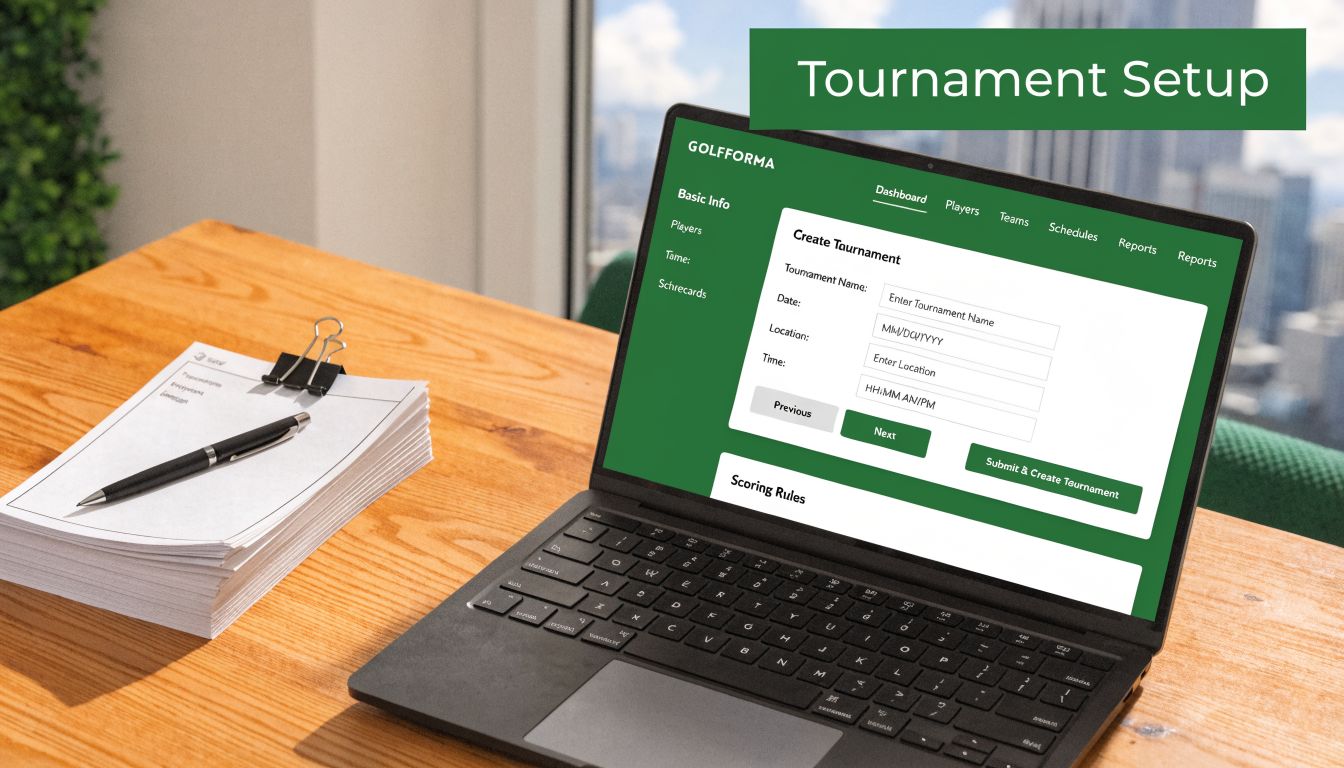
The official course site confirms the core problem. Fullerton runs at par 67 rather than the standard par 72, which creates a real setup challenge for rigid scoring systems. It also points to the practical fix: a customizable scorecard builder that can handle non-standard layouts and accurate handicap and scoring calculations, as noted on the Fullerton Golf Course website.
Where event setups usually go wrong
The common mistakes are predictable:
Using a generic par-72 course template and editing only the name
Ignoring tee-specific rating packages in mixed events
Building side games off the wrong hole structure
Printing one card and scoring from another
Those errors don't always show up on hole one. They show up during payout review, flight disputes, or net-score corrections after the round.
What a workable setup looks like
A cleaner Fullerton tournament setup follows a short checklist:
Enter the course as par 67 with the correct hole-by-hole pars.
Assign players to the correct tee set before pairings are finalized.
Match the printed scorecard, live scoring card, and leaderboard logic.
Test side games against the actual hole structure, especially on holes players expect to attack.
Give staff one place to verify gross, net, and hole-by-hole entries.
If you want a broader event-planning checklist before you build the card itself, this guide on how to run a golf tournament is a useful operational reference.
One practical option for this kind of setup is Live Tourney, which supports customizable scorecards and live scoring workflows that fit non-standard layouts. That matters at Fullerton because a rigid system creates extra manual work, while a flexible one lets staff match the actual card.
How to Import Fullerton Scorecard Data into Live Tourney
The easiest way to set up Fullerton correctly is to enter it once, save it cleanly, and reuse it. That matters even more on a non-standard card, because every reused template saves you from rechecking pars, handicaps, and tee assignments.
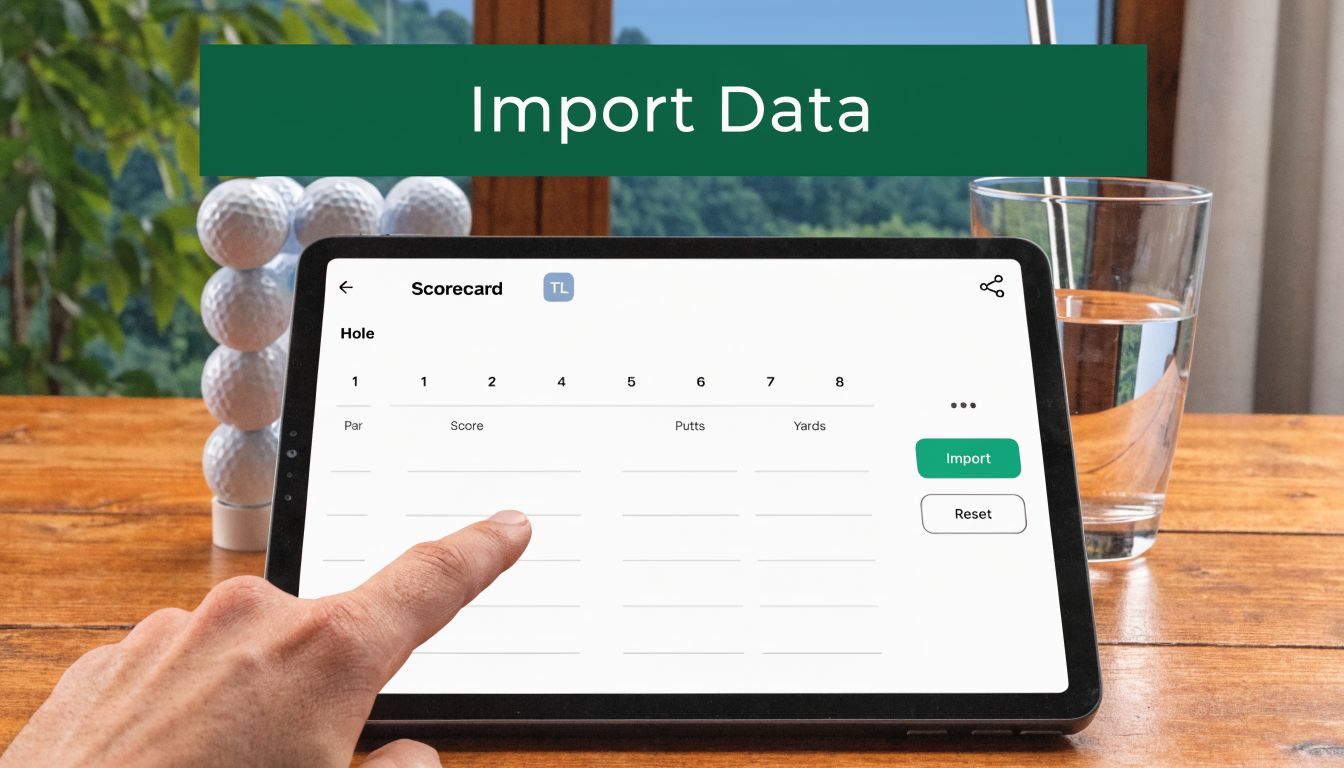
A simple setup sequence
Use this order so you don't have to backtrack later:
Create the course profile
Start with the course name and set the round to the correct non-standard par structure.Enter hole-by-hole data
Add each hole's par first, then the verified handicaps and yardages you plan to use for the event card.Build the tee sets
Set up Blue and Silver as separate tee options so player assignments stay clean.Assign players before publishing pairings
This avoids late edits that can affect handicaps or printed materials.Enable digital score entry
If players will enter scores from their phones, test one group view before round day.
If you need a broader reference on digital entry and leaderboard flow, Live Tourney's article on golf score tracking covers the process in practical terms.
What to double-check before round day
A quick review catches most problems:
Par values: Make sure the total reflects Fullerton's actual setup.
Tee labels: Blue and Silver should match your paper card and starter sheet.
Handicap holes: Side games and net boards rely on these being right.
Player assignments: Verify mixed-tee events before the first score is posted.
Build the card once when you're calm, not on tournament morning when three players are asking to switch tees.
Why this saves time later
The main benefit isn't only setup speed. It's consistency. Once the course profile is accurate, staff can duplicate it for leagues, junior events, member games, and charity outings without rebuilding the same card every time. That cuts down on the kind of small administrative mistakes that players notice immediately.
If you run events and want a cleaner way to manage a fullerton golf course scorecard, Live Tourney gives you a web-based setup for custom scorecards, live scoring, pairings, and leaderboards without app downloads. It's a practical fit for courses and organizers who need to handle non-standard layouts without manual workarounds.