Jul 16, 2026
players club golf course muncie indiana, muncie indiana golf, golf course guide, yorktown indiana golf, golf tournament hosting
Discover Players Club Golf Course Muncie Indiana. Our 2026 guide covers green fees, course layout, amenities, and tournament tips. Plan your perfect round!

You're probably in one of two spots right now. You're either trying to book a solid round near Muncie without wasting a Saturday on the wrong course, or you're the person who got handed the outing, league, or charity event and now needs a venue that can carry the day.
That's where The Players Club at Woodland Trails enters the conversation. When golfers search for the Players Club golf course Muncie Indiana, they're usually talking about the public course just west of Muncie in Yorktown, a place that works for both the individual player who wants a good test and the organizer who needs a dependable site. It has the kind of layout that rewards planning, not just ball speed, and that matters whether you're trying to save strokes or keep a shotgun start from turning into a mess.
Welcome to The Players Club in Muncie
A familiar Saturday problem around Muncie goes one of two ways. A regular group wants a public course that feels like a real round, not just a place to knock it around for four hours. Or an outing organizer needs a venue close enough for strong turnout, but solid enough that sponsors, guests, and first-time players leave with a good impression.
The Players Club at Woodland Trails fits that assignment. It sits at 6610 W River Rd in Yorktown, Indiana, just west of Muncie, which makes it easy to sell to local players and easy to reach for guests coming in from surrounding towns. For event planning, location matters more than many committees expect. A course that is simple to find usually gets players checked in faster, reduces late arrivals, and gives the day a better start.
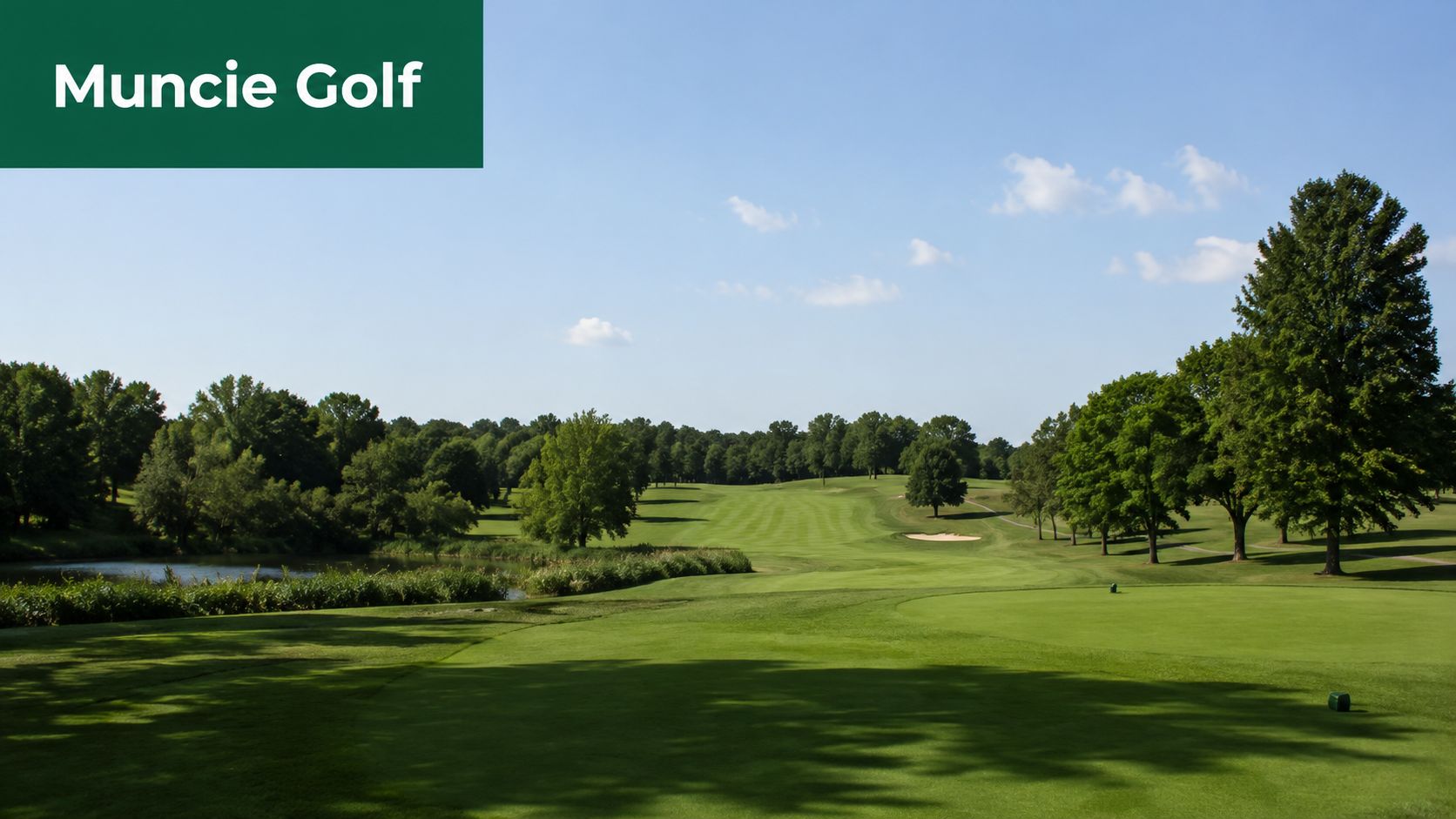
Why local players keep it on the list
The course has the kind of profile players remember. It is public, it carries enough substance to hold your attention, and it suits more than one kind of golf day. That matters. A course earns repeat play when a single-digit player can work on score, a weekend foursome can enjoy the round, and a league can come back week after week without the place feeling flat.
I judge local venues on that standard first.
For individual players, the appeal is straightforward. You want a course that asks for decisions, not one that turns into the same tee shot and same approach hole after hole. For organizers, the test is different. You need a property that can host a mixed field without making higher-handicap guests feel beaten up before lunch. The best public event sites balance those two jobs.
A good way to assess that before you book is to review a hole by hole golf course planning guide and compare it with the player mix you expect. That process helps solo golfers choose the right tees and helps tournament chairs spot pace-of-play trouble before the first cart leaves the lot.
Why it works for organizers too
The Players Club also benefits from staying power in the local market. Courses that remain part of the conversation over time usually do so for a reason. They have handled public play, leagues, and event traffic often enough to understand what a busy sheet looks like and what players expect when they arrive.
That matters on tournament day. A venue can have a nice brochure and still struggle with cart staging, registration flow, or spacing groups on the tee. I screen for the opposite. I want a course that gives single-round visitors a reason to return and gives outing hosts confidence that the day will run cleanly from check-in through scoring. The Players Club has that profile.
The Course Layout A Deep Dive
Step onto the first tee with two different jobs in mind. As a player, you need to choose the right set of tees and decide where patience matters more than power. As an outing chair, you need to know whether the course can hold a mixed field together for 18 holes without turning the day into a slog.
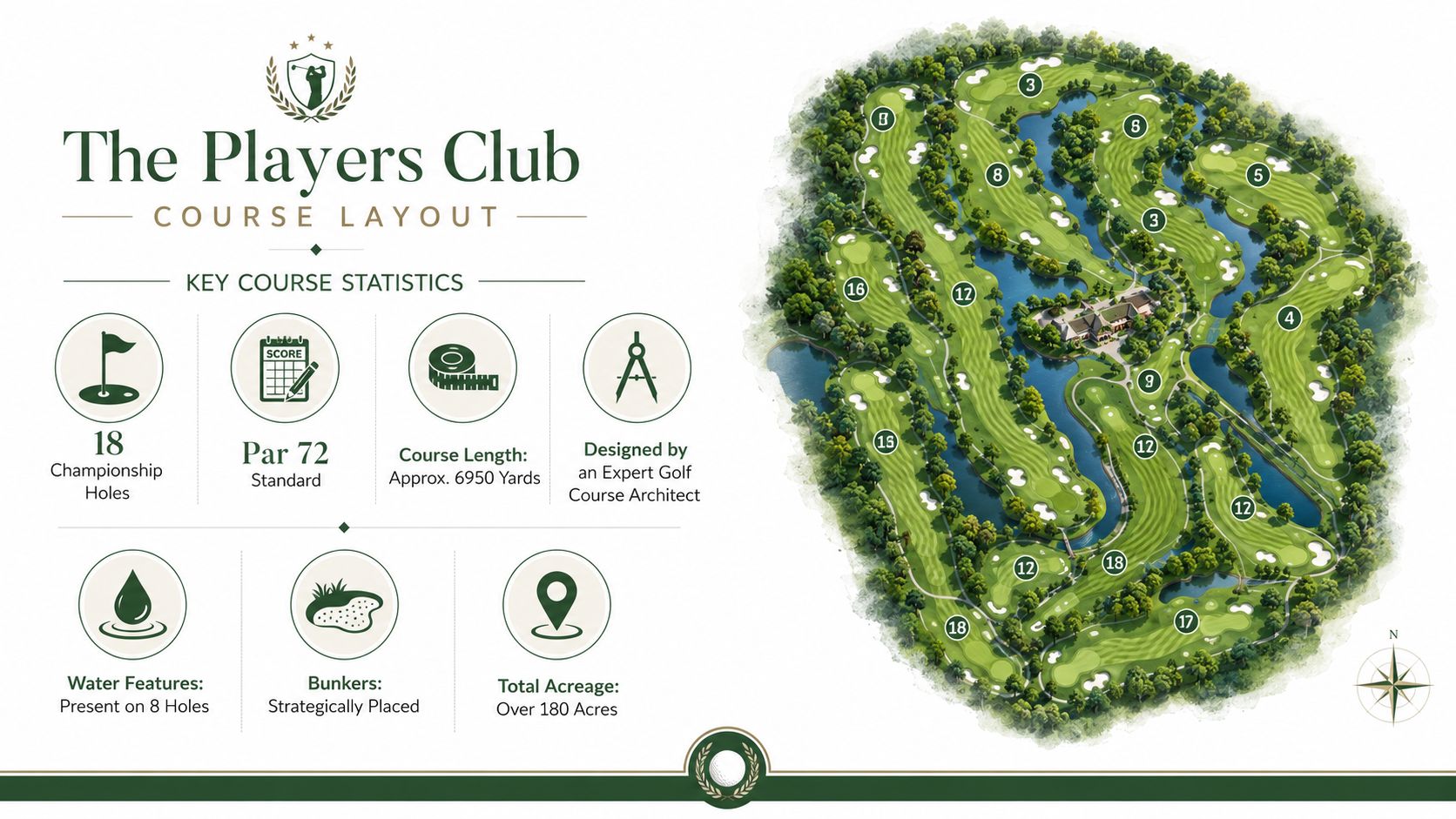
The Players Club has the kind of layout that rewards planning. It is a full 18-hole public course with a standard par setup, enough length to make stronger players hit real approach shots, and enough fairness to keep average golfers involved if they play from sensible tees. That combination matters more than one raw yardage number because it affects pace, scoring spread, and how many players still feel competitive by the back nine.
What the numbers mean
A course like this usually plays best when you read the card as a setup tool, not a brag sheet.
Course detail | Why it matters |
|---|---|
18 holes | Supports full outings, league play, and standard tournament formats without forcing awkward workarounds |
Par 72 | Keeps scoring familiar for casual groups and clean for gross and net event scoring |
Upper-end public-course yardage | Long hitters still have to position tee shots, while shorter hitters need the right tee choice to avoid long-iron fatigue |
Stronger player test | Better golfers cannot coast on one part of the game alone |
Manageable for mixed fields | Organizers can host a broad handicap range if they set tees and pace expectations well |
That last point is where a lot of events go wrong. Hosts see a respectable championship-style card and assume every group should play the same markers. They should not. If your field includes seniors, occasional golfers, and corporate guests, move them up. You will get better pace, more approach shots into greens, and a better day for everyone involved.
Players should make the same adjustment. Pride has slowed down more rounds than rough ever has.
How to use the layout before you play
For an individual round, I would prepare for balance instead of fireworks. Expect holes that ask for a tee ball in play, a controlled second shot, and a decent putt to finish the work. If you want a good primer on reading a course before you arrive, this hole-by-hole course planning guide for golfers and event hosts helps you spot where yardage, angles, and player mix start to matter.
A few practical habits help here:
Pick tees by approach distance, not driver distance. If most of your second shots turn into low-percentage hybrids or fairway woods, you are too far back.
Treat the card as a pacing tool. A course with real length and a full par mix can drag if every group spends three minutes searching on every other hole.
Plan for scoring swings. Layouts with this profile usually reward steady golf more than one heroic recovery shot.
For tournament organizers, this is a strong venue type for scrambles, charity outings, member-guest style events, and net competitions, but only if the setup matches the field. Mixed-skill groups need clear tee assignments on the cart sheet. Contest holes should go on holes with space around tees and greens. Registration and scoring also run better when the format respects the course instead of trying to force every player into a one-size-fits-all setup.
That is also why course management matters here. Players who want to enhance your golf game management will get more from this layout by choosing targets and yardages carefully than by chasing one extra club off every tee.
The best public event courses do two things well. They give good players enough shot value to stay interested, and they let higher-handicap guests finish the day feeling like they played golf instead of just survived it. The Players Club fits that model if you set it up intelligently.
Navigating Signature Holes and Course Strategy
The Players Club doesn't need gimmicks. Its better holes likely do what good Midwestern public golf does at its best. They make you choose. They show you one aggressive line, one safe line, and then let your discipline decide the card.
That's why the course tends to suit players who think their way around. If you're looking at the Players Club golf course Muncie Indiana as a first-time visitor, the right mindset is simple. Respect the hole in front of you more than the one you wish you were playing.
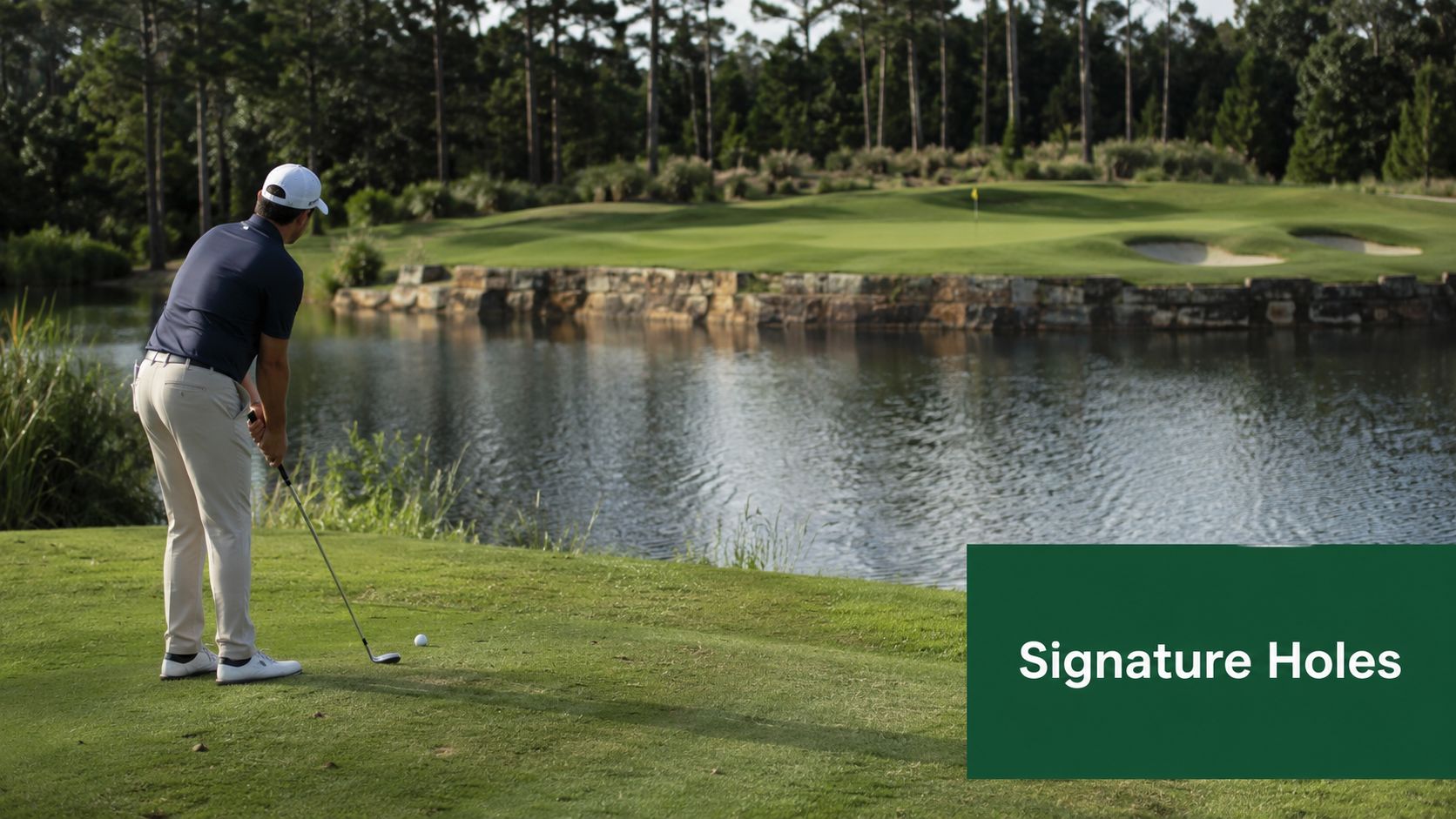
The tight par 4 mindset
Most players lose shots on courses like this by forcing driver where position matters more. On a tree-lined or visually narrow par 4, the play usually isn't heroic. It's boring, which is often the same thing as smart.
I tell players to define success backward. Don't ask, “Can I hit driver here?” Ask, “What yardage leaves me a full, confident approach?” That one change keeps a lot of rounds from drifting.
If the landing area looks pinched, take the club that keeps the ball in play.
If one side of the fairway opens the green, favor angle over raw distance.
If the hole feels uncomfortable from the tee, commit to the conservative start and try to win it with your second shot.
Golfers who want to sharpen that decision-making can get value from this piece on how to enhance your golf game management. It fits the kind of thinking this course tends to reward.
The risk-reward temptation
Every event course has a hole where the scramble teams get louder and the individual players get quieter. That's usually the reachable-looking par 5 or the short par 4 that asks whether you're patient enough to lay back.
Rounds take different paths. In a scramble, aggression can make sense because a partner gives you cover. In individual play, the better move is often to leave yourself a number you like and remove big mistakes from the equation.
If a hole offers you a thrilling birdie chance and a simple par route, most amateurs should choose the par route until the situation demands otherwise.
Greens and finishing discipline
A strong layout doesn't stop testing you after the approach. Courses with strategic architecture usually ask for control into the green and restraint once you're on it.
That means:
Play to the fat side first. Don't short-side yourself chasing a flag you don't need.
Take your first look seriously. Uphill and downhill putts can turn routine pars into scrambling work.
Protect momentum. After one poor swing, your next decision matters more than the last shot.
Tournament players understand this instinctively. Casual players should borrow it. At The Players Club, smart golf travels better than emotional golf.
Planning Your Visit Green Fees Tee Times and Directions
Once you've decided to play, the next step is making the day simple. Most problems on golf days start before the opening tee shot. Wrong address, vague booking plan, uncertain hours, or a group text where nobody has called the course.
The cleanest approach is to treat this as a straightforward public-course trip. The venue is listed at 6610 W River Rd, Yorktown, IN 47396-9397, with consistent weekly hours through the golf season on Two Guys Who Golf's Players Club listing. That makes it a practical option whether you're planning ahead or trying to squeeze in a last-minute round.
The no-drama booking plan
Because public-course operations can vary day to day, I always recommend a simple sequence.
Lock the day first. Don't start by arguing over a perfect tee time. Pick the date.
Call early if you have a group. Groups create more moving parts than single tee times.
Ask the questions that affect pace. Cart rules, check-in timing, and any outing traffic matter more than small talk.
Confirm the roster the night before. Half of golf logistics is dealing with the player who says he's “probably in.”
If you want a useful benchmark for how good tee-time planning content should read, this piece on Dad Miller Golf Course tee times is a solid example of the practical details players usually need.
What to verify before you leave home
We don't have verified fee details to quote here, so don't assume weekday, weekend, twilight, or cart pricing. Ask directly when you book. That's especially important if you're coordinating multiple players, because price confusion is one of the fastest ways to start an outing day on the wrong foot.
Use this checklist:
Your tee time and how early the course wants you there
Cart availability for the group
Pairings needs if you're not arriving together
Weather policy so nobody is guessing if conditions turn
Show up early enough to hit a few putts and settle in. Rushed arrivals produce rushed opening holes.
Hours and arrival
A recent Yelp update noted Friday as “Open now” in July 2026 on The Players Club Yelp page, which supports the broader point that the course operates on regular weekly hours during season. For the player, that means dependable access. For the organizer, that means fewer surprises when scheduling league rounds or daytime outings.
Hosting Tournaments and Outings at Players Club
A course can be excellent for everyday play and still create headaches for event staff. Tournament success doesn't come from the scorecard alone. It comes from how well the operation handles registration, pairings, starting instructions, score collection, and the long hour right after the round when everyone wants results at once.
That's where The Players Club presents a realistic trade-off. Golf Digest's listing shows a traditional contact structure that includes phone at 765-759-8536 and fax at 765-759-7999, a setup that suggests a legacy administrative workflow, as noted on Golf Digest's Players Club listing. There's nothing wrong with that by itself. Plenty of good courses still run on proven habits. But organizers need to understand what that can mean in practice.
What works well on event day
For outings, this venue makes sense when you keep the structure disciplined. A public course with an established footprint often handles classic formats well, especially when the organizer does the prep work instead of assuming the shop will fill every gap.
Focus on these areas:
Registration control: Use one person to own the player list. Multiple spreadsheet versions create check-in confusion.
Tee assignments: Finalize pairings before the event morning if possible.
Rules sheet clarity: Keep contests, mulligans, and side games easy to read.
Scoring process: Decide in advance who records scores and where disputes get resolved.
Where organizers get in trouble
The weak point in many local outings isn't the course. It's the handoff between golf operations and event administration. If the setup leans on calls, paper, and manual score entry, a larger field can bottleneck quickly. That's when the awards lunch starts late, players stand around asking for standings, and volunteers scramble to reconcile scorecards.
I've seen plenty of otherwise good days lose energy right there.
The round ends when the last putt drops. The event ends when the scores are final, the winners are clear, and nobody is arguing over a card.
If you're planning a broader club-style event with hospitality or social components around the golf, it can help to borrow ideas from outside tournament golf. This guide to dream day planning for country clubs is useful because it emphasizes guest flow, timing, and coordination, all of which matter in outings too.
A practical hosting checklist
This venue is best for organizers who arrive prepared.
Event task | Best practice |
|---|---|
Player communication | Send pairings and arrival guidance the day before |
Check-in table | Keep one alphabetized master list |
Contests | Mark holes and rules clearly before the first group starts |
Score collection | Use one consistent method for every team |
Awards timing | Build in a buffer so food and scoring stay aligned |
For a stronger framework on event setup and execution, this article on golf tournament hosting covers the process well. At a venue like The Players Club, good logistics don't just help staff. They protect the player experience.
Beyond the Course Amenities and Practice Facilities
Players judge a golf day on more than the 18 holes. They remember whether they could loosen up before the round, whether check-in felt smooth, and whether the venue supported the social side of the day after the scorecards were signed.
We don't have verified amenity-by-amenity details to list, so the practical move is to call ahead and confirm anything your day depends on. That includes practice access, food timing, and any group-service expectations. Casual players can be more flexible. Event organizers usually can't.
What individual players should look for
A normal pre-round routine at a public course works best when you build in a cushion. Arrive with enough time to check in, roll a few putts, and get comfortable with the tempo of the day.
Ask before you go if your round depends on any of the following:
Warm-up space for a short pre-round session
Putting access if you like to adjust to green speed before the first tee
Grab-and-go food if your tee time is early
Post-round seating if your group plans to settle up or stick around
What outing planners should confirm
For tournament and league use, amenities become operational details. A simple oversight can ripple through the whole day. If the group expects a practice session, a meal window, or merchandise support, get those answers early rather than assuming a standard package.
This is also where modern event tools can raise the floor. A course with traditional admin habits can still host a sharp outing, but organizers usually need to bring more structure themselves. App-free live scoring, digital pairings, and clean player communication reduce the friction that legacy workflows often leave behind.
That's the primary argument for modernizing the outing layer even when the venue itself is a strong fit. You're not replacing the course experience. You're tightening the parts that players notice when the golf pauses.
Good venues create the setting. Good organizers create the experience.
Your Guide to a Perfect Day at Players Club
The Players Club works because it serves two audiences well. The individual golfer gets a public course near Muncie that asks for real shot value and sensible decision-making. The organizer gets a venue with enough substance to host a day that feels legitimate, provided the logistics are handled with care.
For players, the winning formula is restraint. Don't show up trying to overpower the place. Choose the right tee, play to angles, and let the course reveal where aggression makes sense. Most scoring mistakes on layouts like this come from impatience, not lack of talent.
For event staff, the key is structure. The course gives you the setting, but your preparation determines whether the day feels polished or patched together.
Final tips for first-time visitors
Arrive with a plan: Have your tee time, driving route, and group text settled before the day starts.
Play for position: On a strategic public course, the next shot usually matters more than squeezing out a few extra yards.
Warm up with purpose: A few putts and a few controlled swings do more for scoring than empty range-ball volume.
Keep expectations realistic: Good public golf often rewards discipline more than heroics.
Ask questions early: If you need carts, group handling, or event support, confirm it in advance.
Final tips for tournament organizers
Own the roster: One list, one point of contact, one final version.
Simplify scoring: Confusion after the round is what players remember most.
Communicate pairings clearly: Don't let participants figure out the day in the parking lot.
Build time buffers: Registration, starting, and awards all take longer than people think.
Match format to field: A venue like this can support competitive play, but the field's skill level should drive the setup.
The bottom line is straightforward. If you're searching for the Players Club golf course Muncie Indiana, you're looking at a venue that can deliver a rewarding round and a credible event day. Players need a smart strategy. Organizers need clean logistics. Get those two things right, and this course is easy to appreciate.
If you're running tournaments, leagues, or outings and want the scoring, pairings, and leaderboard side of the day to feel as polished as the course itself, take a look at Live Tourney. It gives organizers a simple, web-based way to manage events, keep players updated in real time, and avoid the usual post-round scoring scramble.